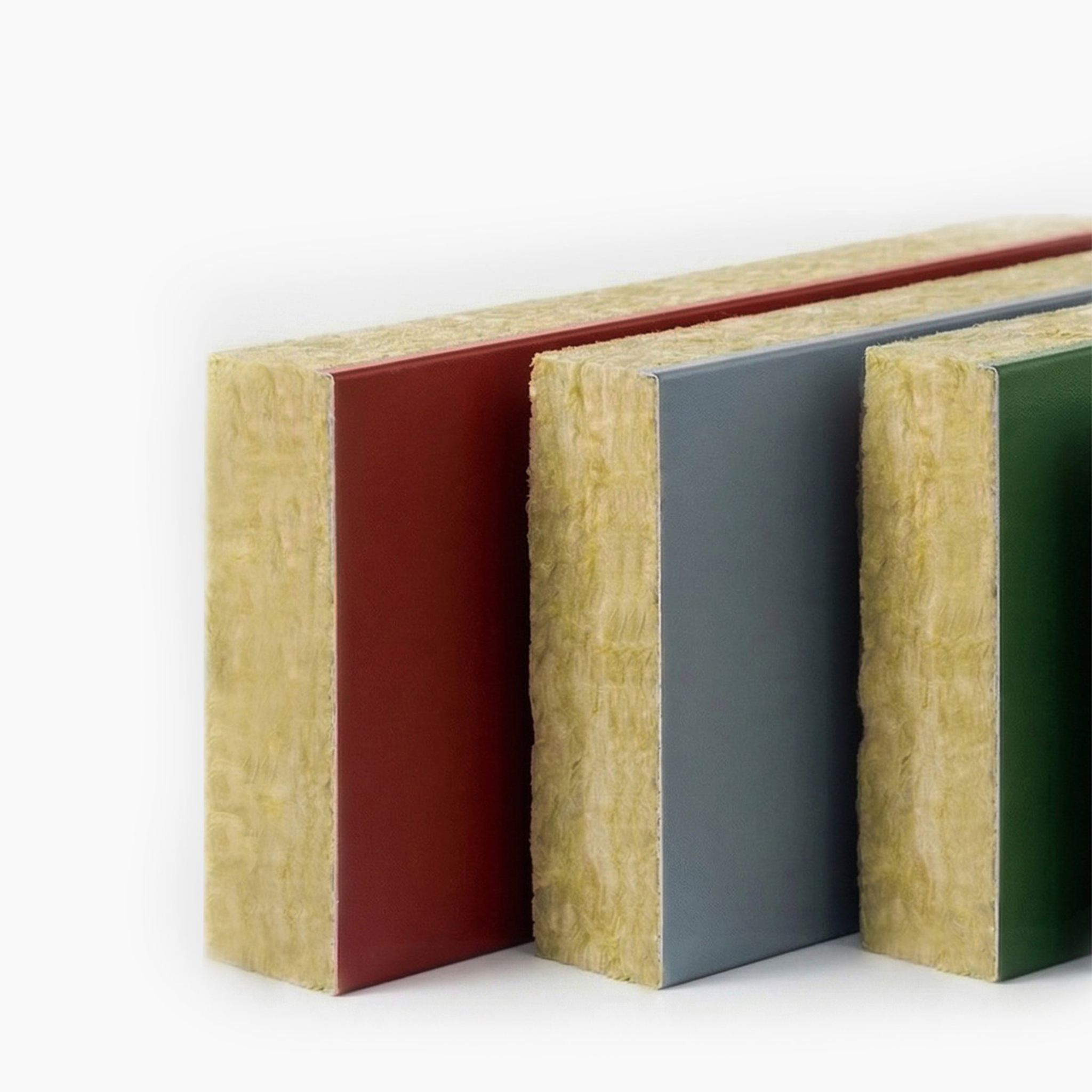
EIFS offers significant energy savings (reducing operational costs), protects the primary building structure (extending service life), eliminates thermal bridging phenomena, enhances indoor thermal comfort, and optimizes both space and architectural aesthetics.
An EIFS cladding system consists of at least three essential layers:
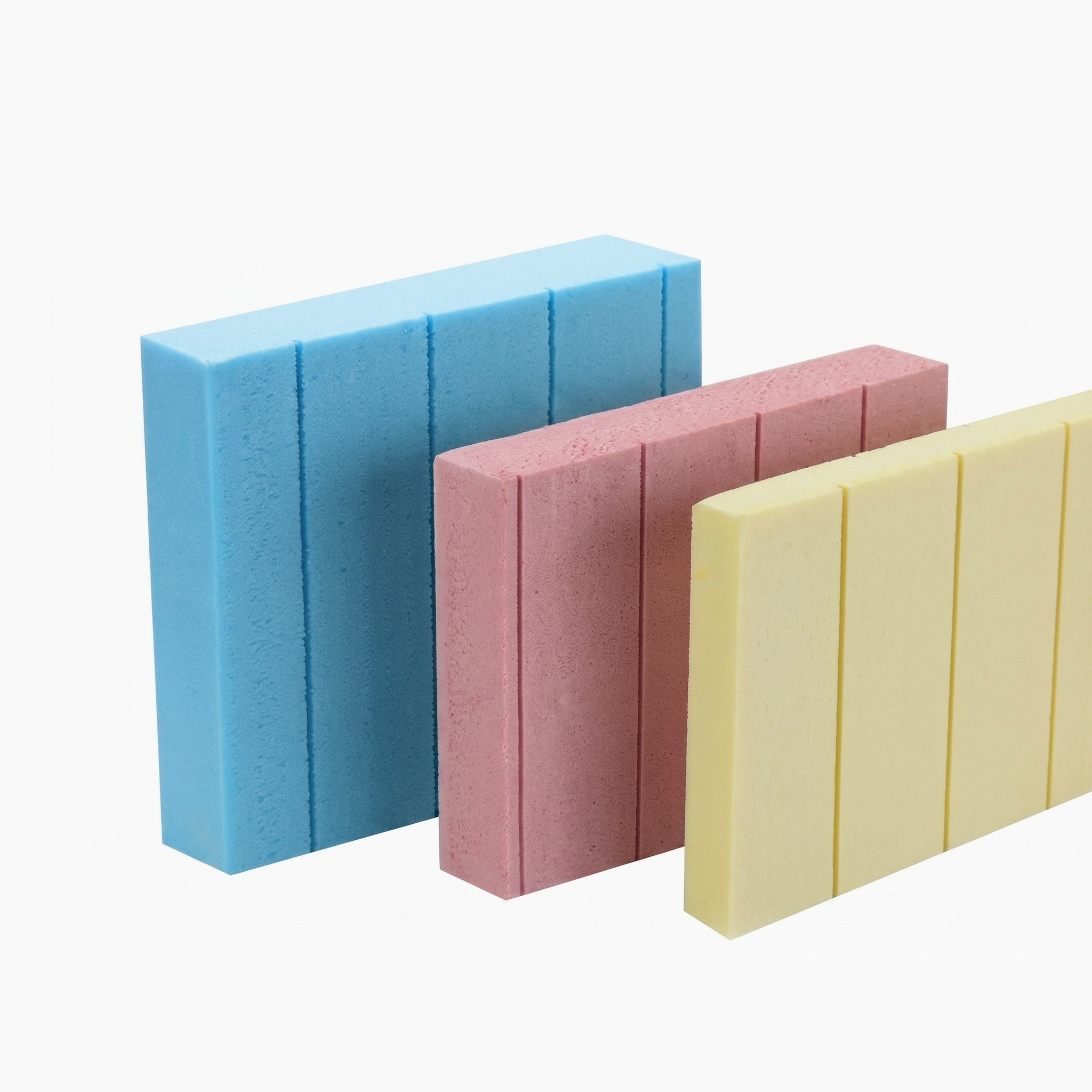
Continuous Insulation (CI): A thermal layer typically made of Expanded Polystyrene (EPS), Extruded Polystyrene (XPS), Graphite Polystyrene (GPS), or Mineral Wool.
Base Coat with Reinforcing Mesh: A specialized layer that provides impact resistance and structural integrity.
Durable Architectural Finish: A versatile exterior finish offering unlimited color and texture options. These finishes can mimic the appearance of other cladding materials—such as stucco, wood, metal, stone panels, or granite—at a much lighter weight, thereby minimizing the building’s structural load.
Additionally, specialized EIFS wall systems with integrated drainage and moisture barriers are available for enhanced performance.

It is highly recommended to apply a water-resistive barrier over moisture-sensitive substrates to provide an extra layer of protection in case of component failure. Local building codes and specific project specifications should be consulted to determine if this is a mandatory requirement for your region.
Insulated exterior wall assemblies, such as EIFS and Precast Concrete with Continuous Insulation (CI), significantly reduce thermal bridging in commercial buildings by providing an uninterrupted insulation envelope. This minimizes heat transfer through structural framing members like wood studs or steel beams.
This continuous insulation layer helps buildings meet energy code requirements, maintain stable indoor temperatures, improve energy efficiency, and lower heating and cooling costs. Furthermore, EIFS facades reduce the risk of interstitial condensation within the wall cavity, enhancing the building’s overall structural performance and occupant health.
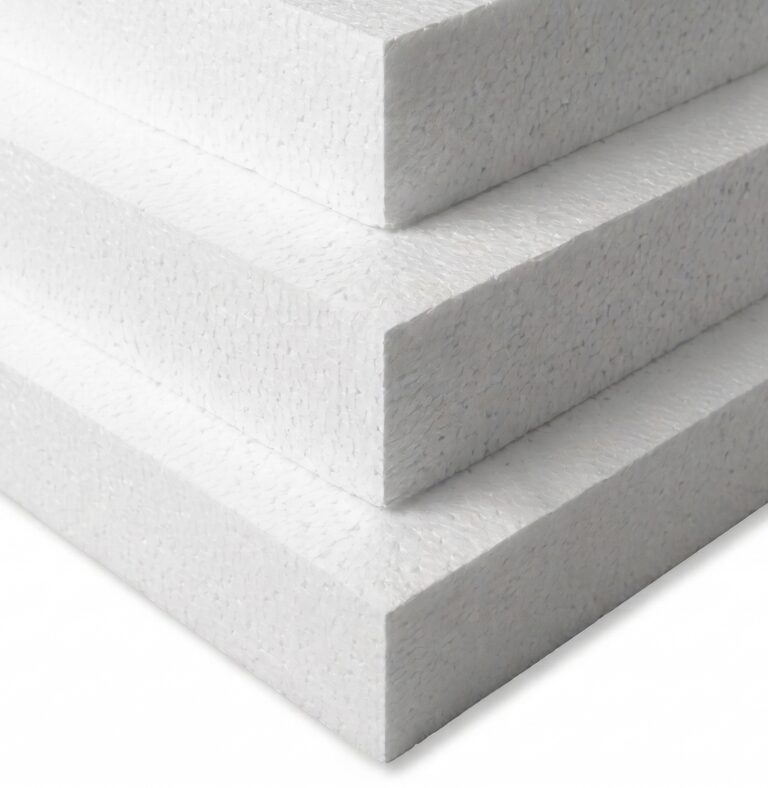
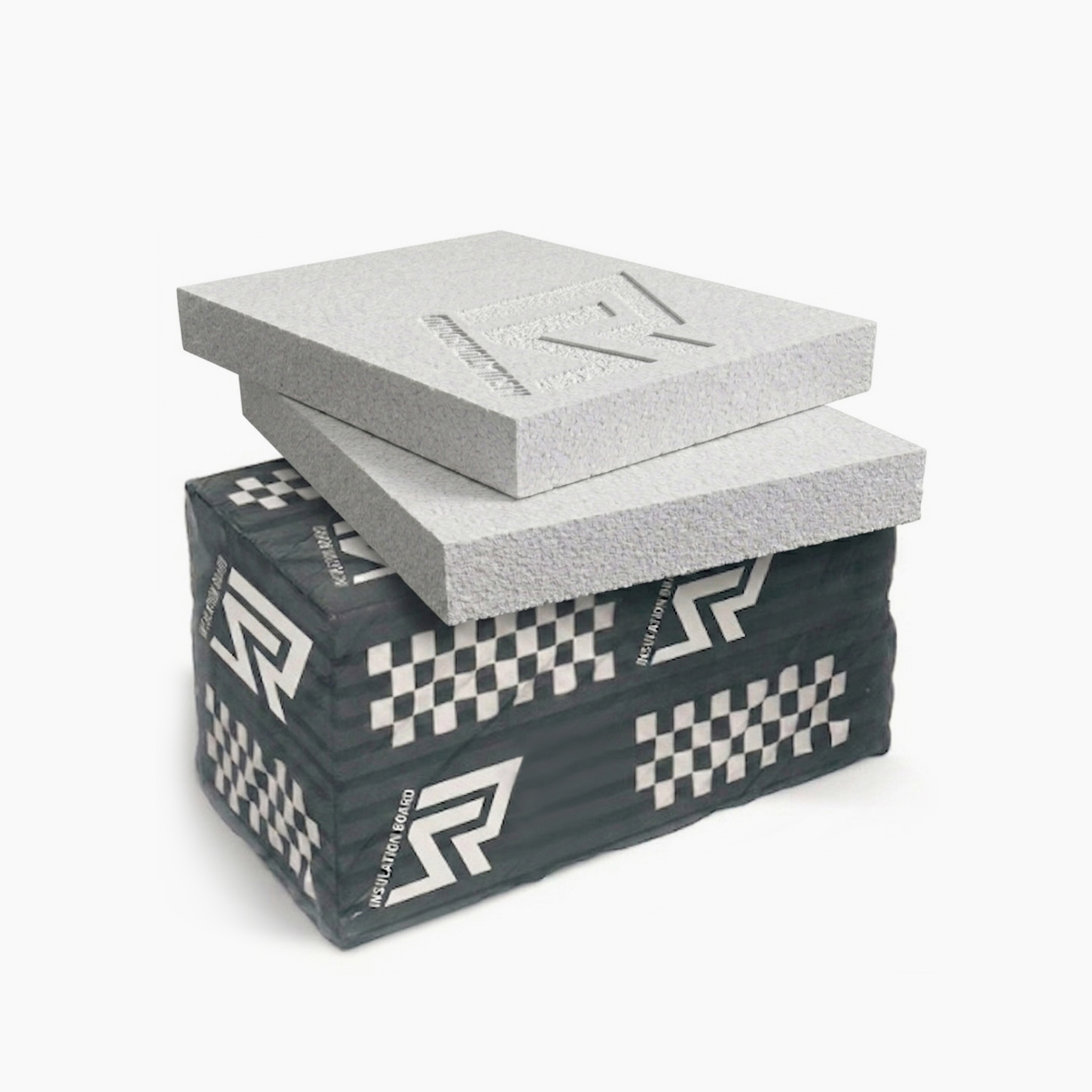
In the building insulation industry, EPS stands for Expanded Polystyrene. It is a lightweight, rigid, plastic foam insulation produced from solid beads of polystyrene.
Manufacturing Process: Polystyrene beads containing a volatile foaming agent are heated, causing them to expand significantly in volume. They are then molded into large blocks or specific shapes using steam and heat, and finally cut into boards of required dimensions.
EPS is the most widely used and technically mature material for ETICS/EIFS (External Thermal Insulation Composite Systems), particularly for thin-plaster systems.
Cost-Effective: Its relatively low production cost makes it the premier choice for conventional construction projects.
Breathability & Crack Resistance: It offers excellent vapor permeability and flexibility, reducing the risk of exterior wall cracking.
Lightweight: It imposes minimal structural load on the building.
Easy Workability: On-site, workers can easily cut EPS into complex shapes using hot wires or utility knives to fit intricate architectural details.
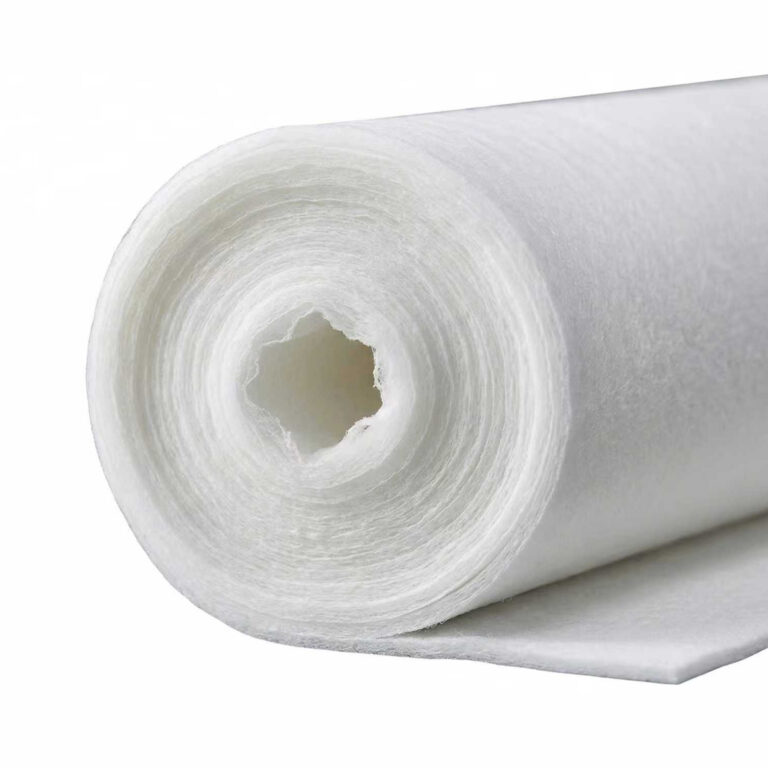
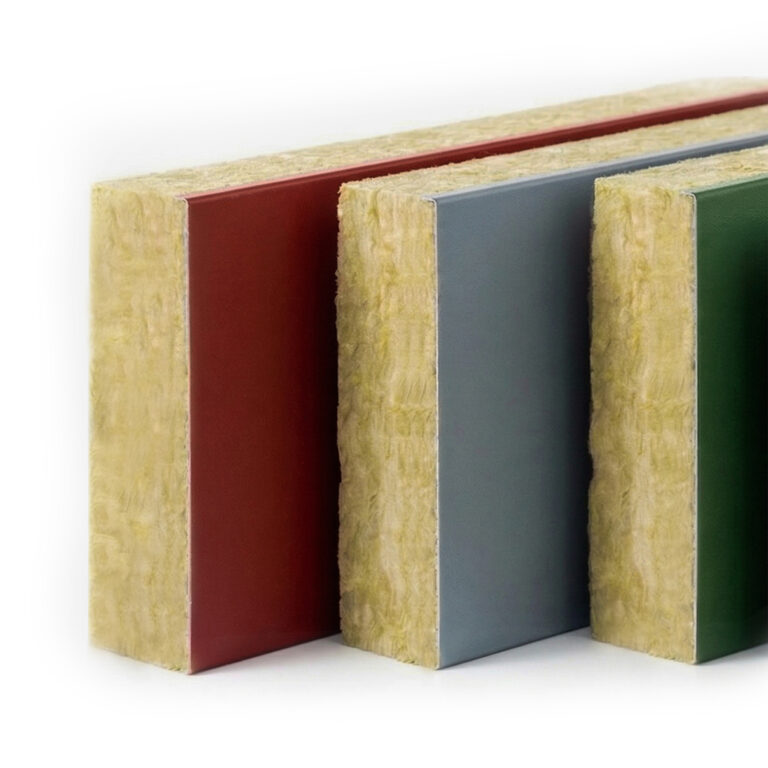
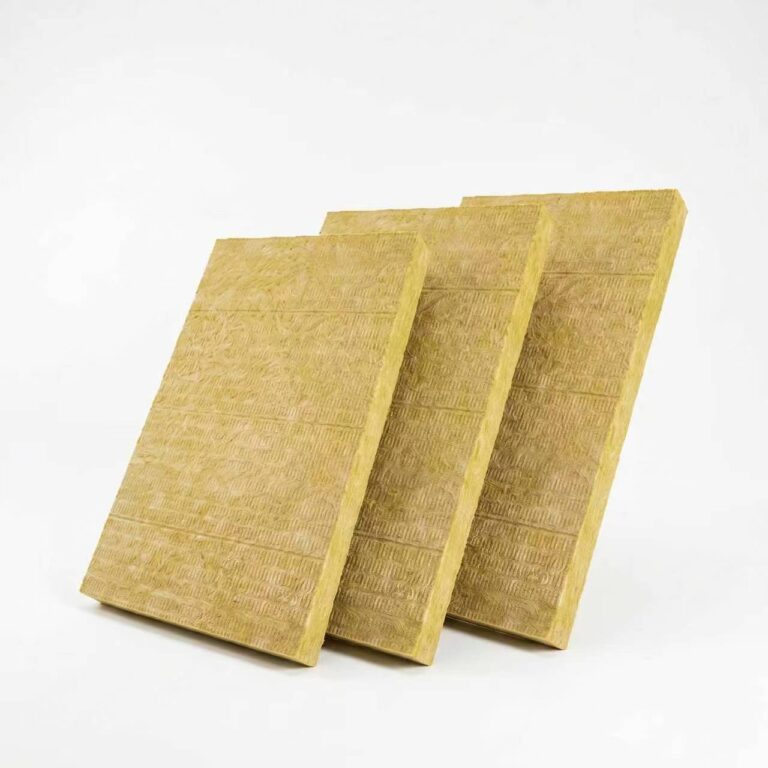
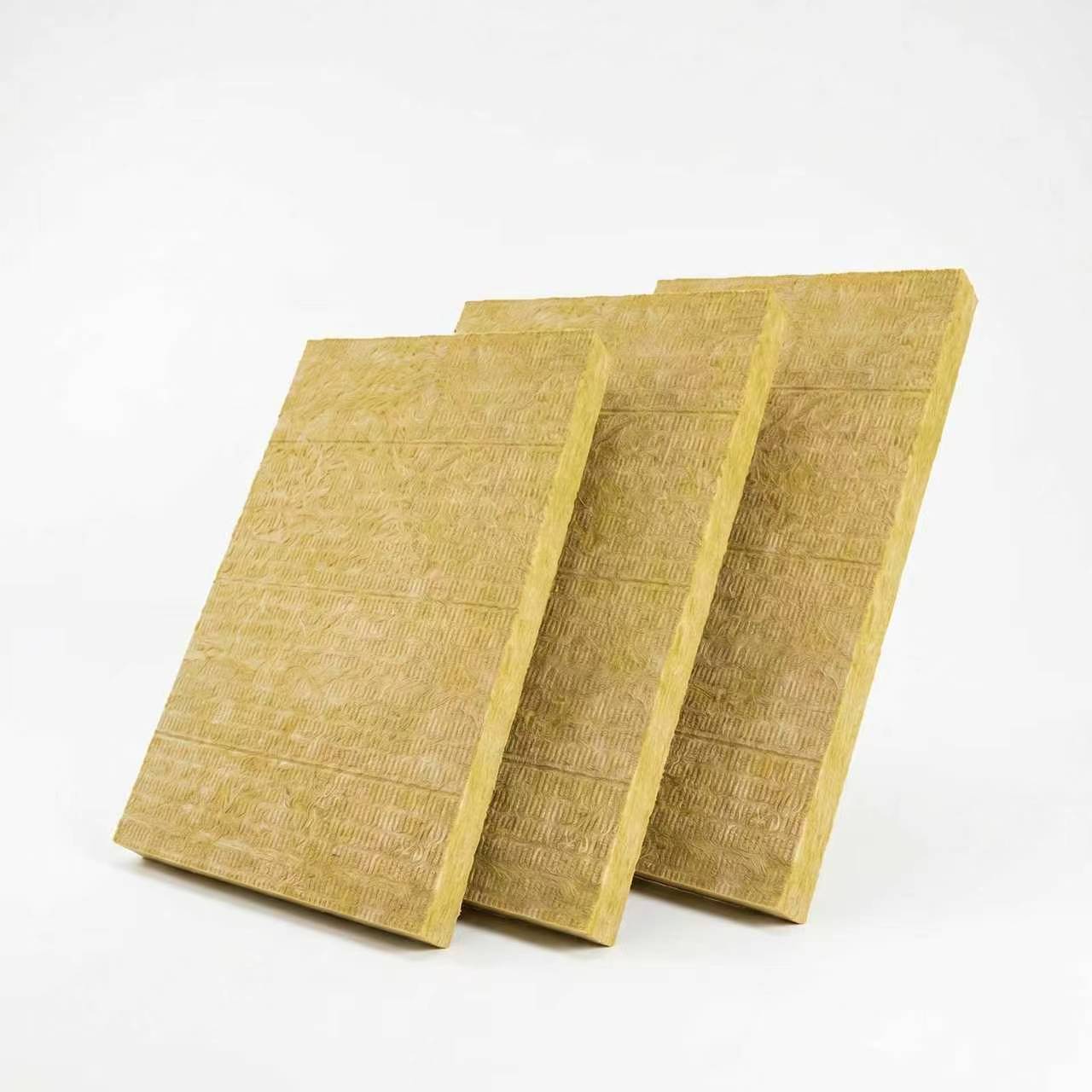
Rock Wool (also known as Mineral Wool) is a mineral fiber insulation made from natural stone.
Manufacturing Process: The primary raw materials include basalt (a volcanic rock) and dolomite. These minerals are melted at high temperatures and spun into fibers, which are then bonded together to form mats or boards.
How Does Rock Wool Differ from Other Insulation Types?
Non-Combustibility: Made from volcanic rock, it achieves Euroclass A1 fire rating. It is non-combustible and provides critical extra time for evacuation during a fire.
Extreme Durability: Its physical properties do not diminish over time, maintaining performance throughout the building’s lifecycle.
Breathable & Mold-Resistant: It is water-repellent yet highly vapor-permeable, preventing mold growth and ensuring consistent thermal and acoustic insulation without the need for maintenance.
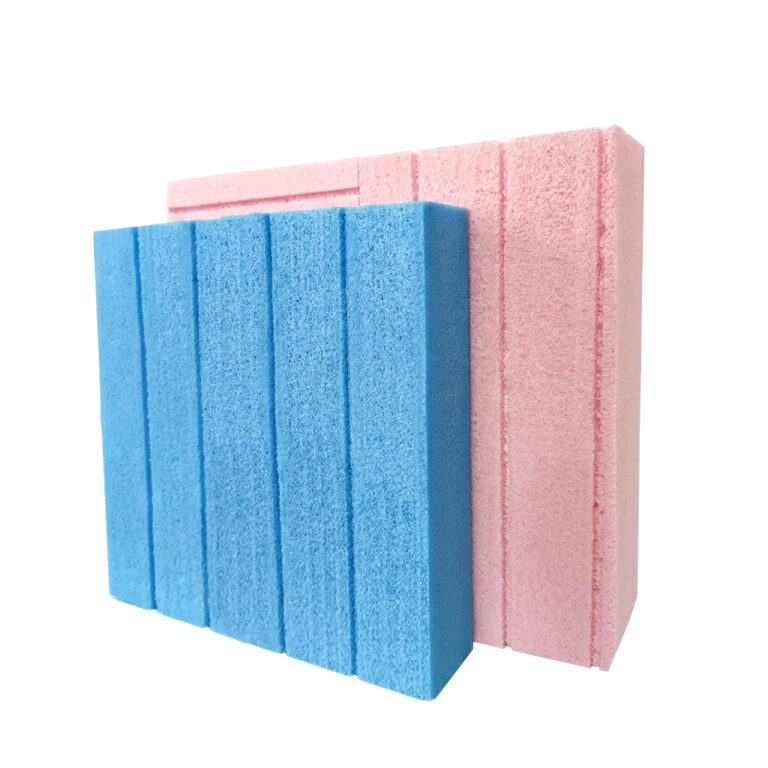
XPS stands for Extruded Polystyrene. It is a rigid foam insulation also derived from polystyrene but manufactured through a distinct process.
Manufacturing Process: XPS is produced via a continuous extrusion process. Polystyrene resin is melted with polymers and injected with a catalyst before being extruded through a die. This creates a uniform, closed-cell honeycomb structure.
Key Technical Features and Advantages of XPS
Superior Thermal Performance: Thanks to a closed-cell rate of over 99%, XPS forms tiny vacuum-like layers that effectively block heat transfer, resulting in extremely low thermal conductivity.
Outstanding Moisture Resistance: Since polystyrene is inherently hydrophobic and the structure is completely closed-cell, XPS provides exceptional resistance to water absorption, dampness, and penetration.
High Compressive Strength: XPS is dense and rigid, offering high compressive strength (typically ranging from 150 to 500 kPa or higher).
Stability and Durability: Chemically stable and resistant to degradation or mildew, XPS does not emit harmful substances and boasts a service life that matches the lifespan of the building.
While all are used in EIFS, their compositions vary:
EPS: The most common choice—lightweight, economical, and reliable.
XPS: Higher compressive strength and moisture resistance than EPS, but usually at a higher price point.
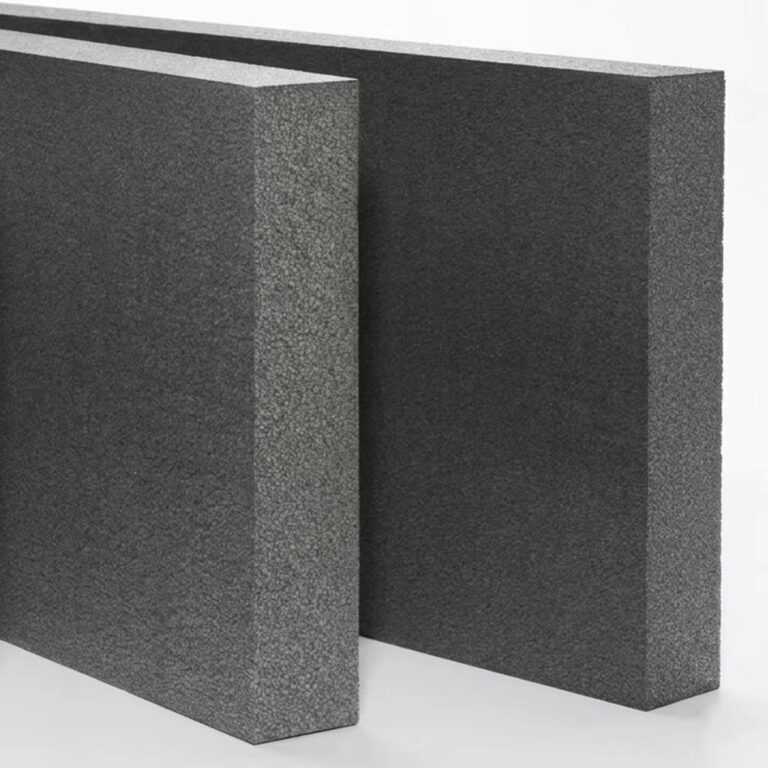
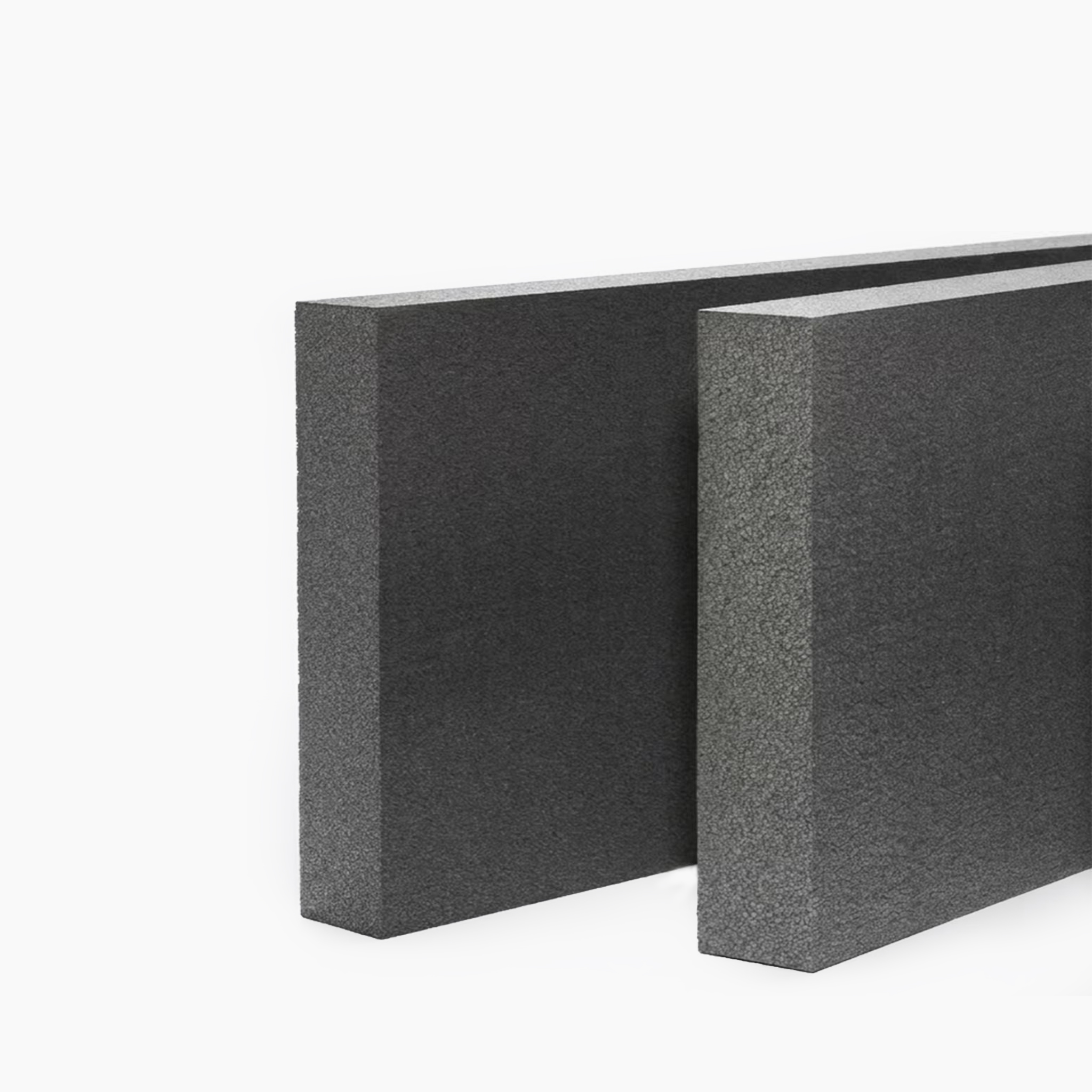
GPS (Graphite Polystyrene): Contains graphite particles that reflect radiant heat, improving thermal performance by approximately 20% compared to standard EPS without increasing thickness.
Rock Wool: Preferred for projects with stringent fire safety requirements due to its non-combustible nature.
Under ideal conditions—proper installation, storage, and handling without human interference—insulation can remain effective for the entire lifecycle of the structure. However, we recommend periodic inspections to ensure optimal performance.
Yes. RSinsulationboard features a professional technical team equipped to provide R-value/U-value calculations and customized insulation support based on your specific project requirements.
Yes, we provide comprehensive Technical Data Sheets (TDS) for all our products. Please contact us to receive the latest specifications for your region.