



บทคัดย่อ
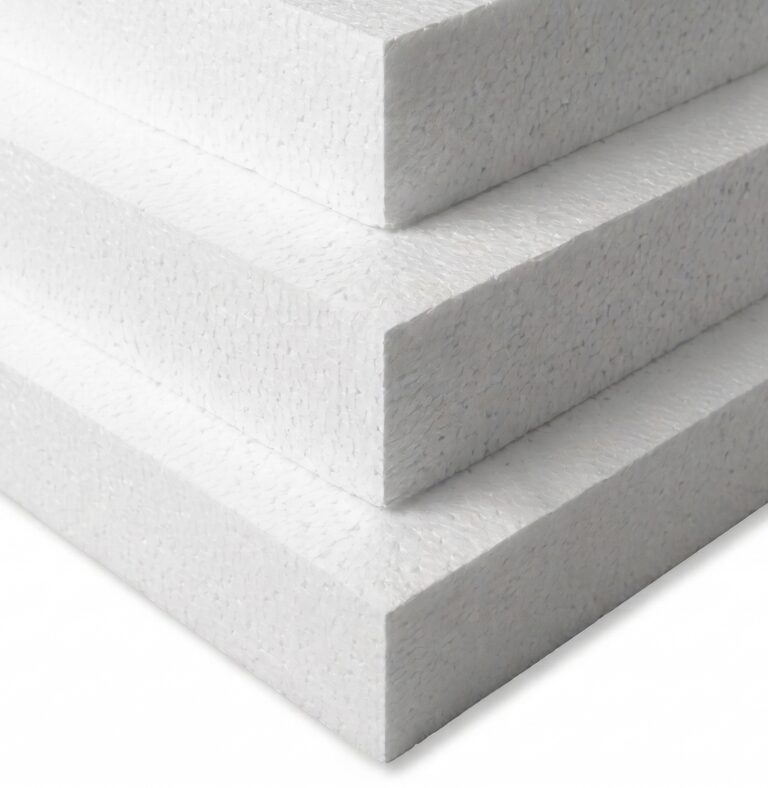
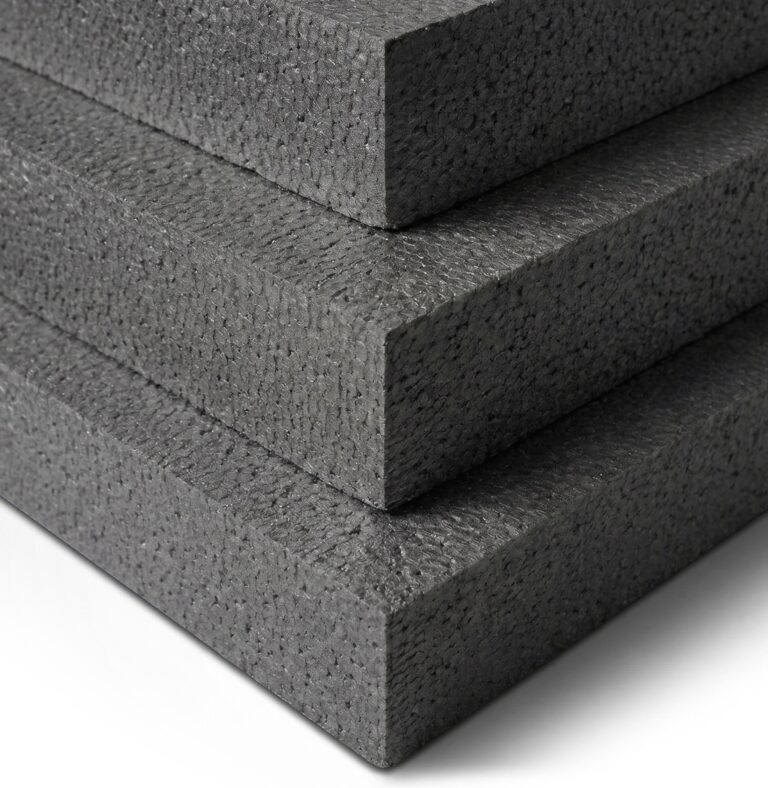
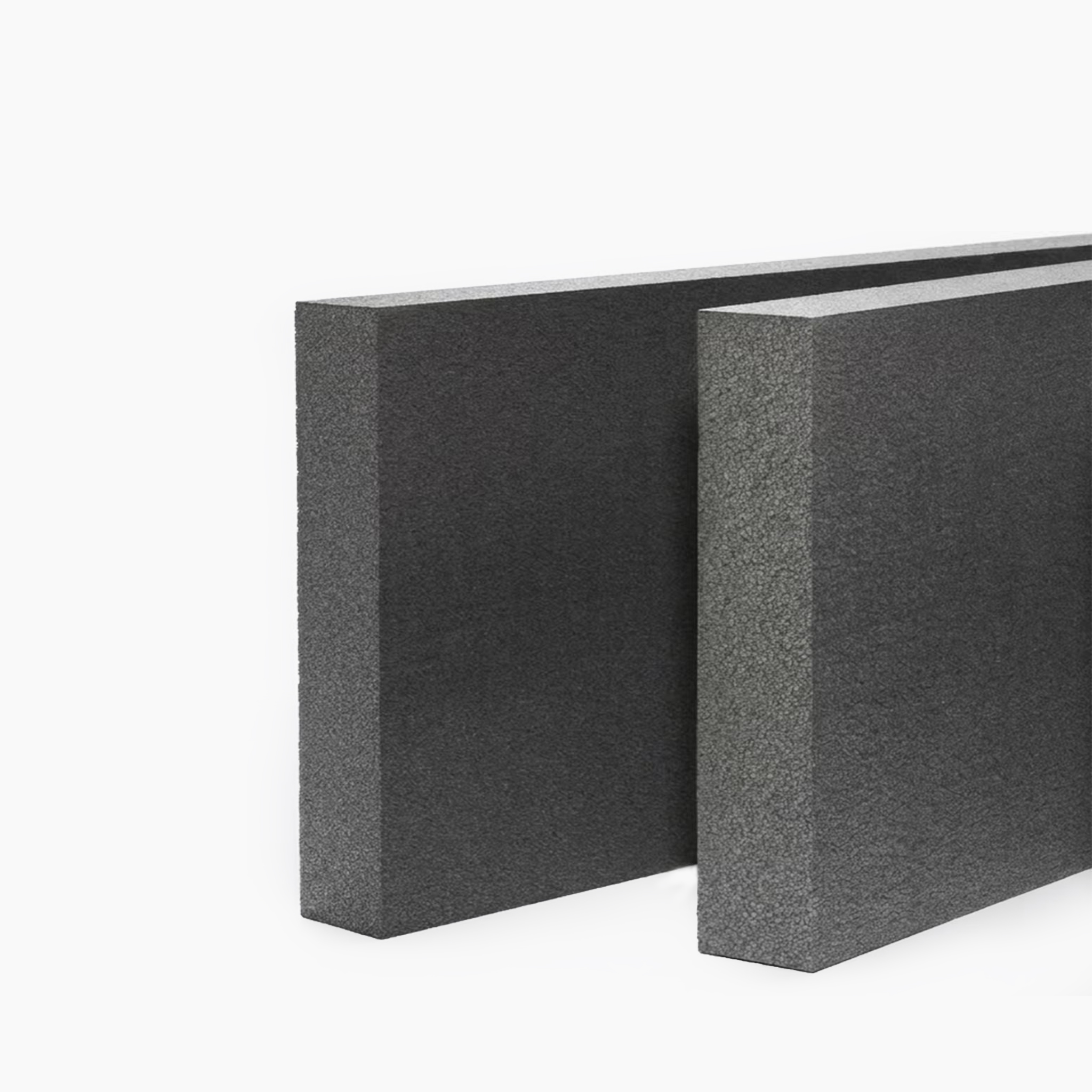
Expanded Polystyrene (EPS) geofoam has become a pivotal ultra-lightweight fill material in modern civil engineering. This paper investigates the mechanical response of EPS under varying confining pressures and density gradients. By synthesizing triaxial test data, a nonlinear constitutive model is developed to predict the stress-strain behavior, providing a theoretical foundation for its application in highway embankments and slope stabilization.
บทนำ
Unlike traditional soil fills, EPS geofoam exhibits a high strength-to-weight ratio and significant compressibility. Its implementation can reduce lateral earth pressure by over 90%, mitigating settlements in soft soil regions. Understanding its constitutive relationship is essential for Finite Element Analysis (FEA) in complex engineering projects.
Compressive Behavior & Density Correlation
The mechanical strength of EPS is primarily dictated by its density. Experimental results indicate that both the initial Young’s Modulus (Eᵢ) and the compressive strength (σ) follow a power-law relationship with the material density (ρ):
c = k · ρⁿ
Elastic-Plastic Transition: EPS undergoes three distinct stages under loading: linear elastic, yielding (crushing of cells), and strain hardening.
Constitutive Modeling
To simulate the hardening behavior, a modified Hardening Soil (HS) model or a Hardening Plasticity model is typically employed. This allows engineers to account for the volumetric strain as the air-filled cells collapse under sustained pressure.
Poisson’s Ratio: For EPS geofoam, the Poisson’s ratio (v) is near zero during the yielding stage, indicating minimal lateral expansion—a unique advantage for vertical load distribution.
Engineering Applications
The research validates EPS geofoam as an ideal solution for:
Bridge Abutment Backfill: Reducing vertical loads on underlying soft clay.
Buried Pipelines: Protecting sensitive infrastructure from heavy traffic loads.
Landslide Repair: Reducing the driving force of unstable slopes.
สรุป
The proposed constitutive model accurately captures the high-strain compressibility of EPS. For the RS brand, maintaining precise density control during the pre-expansion and molding phases is paramount to ensuring the predictable mechanical performance required by global infrastructure standards.