



I. Project Overview & Material Selection
High-rise buildings impose strict limitations on the fire rating (typically Class A) and dead load of insulation materials.
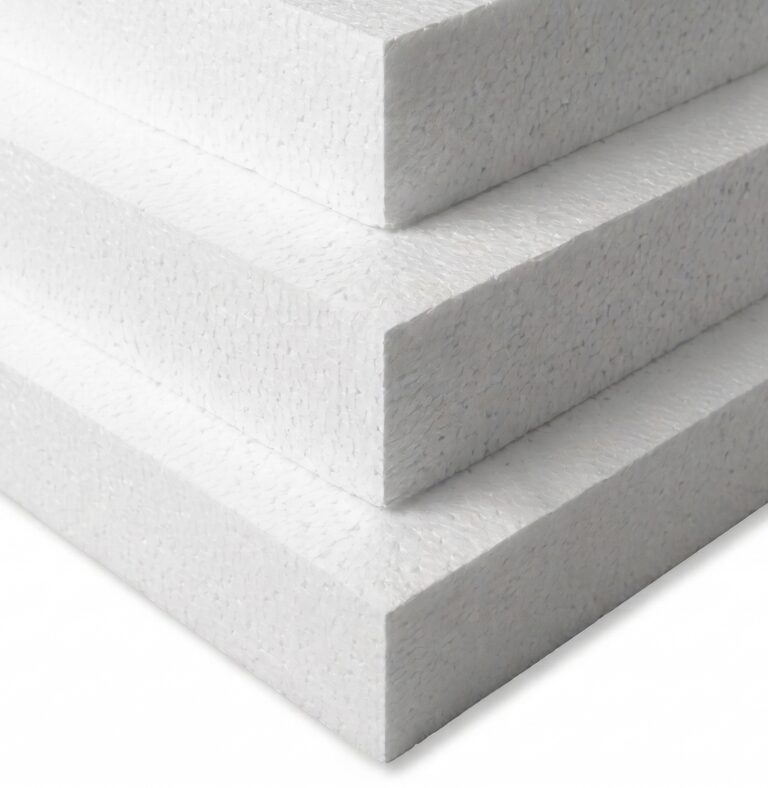
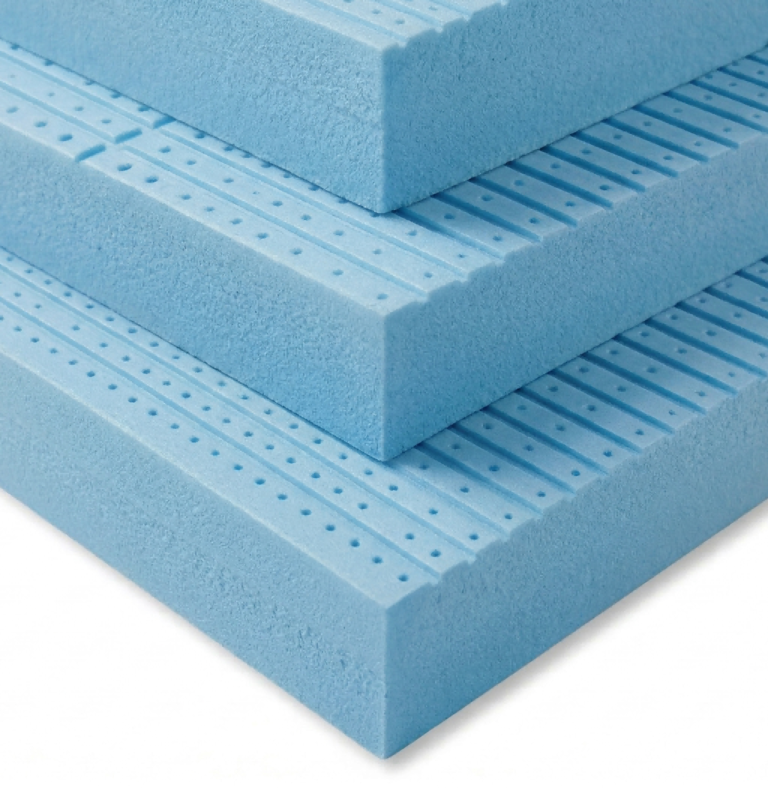
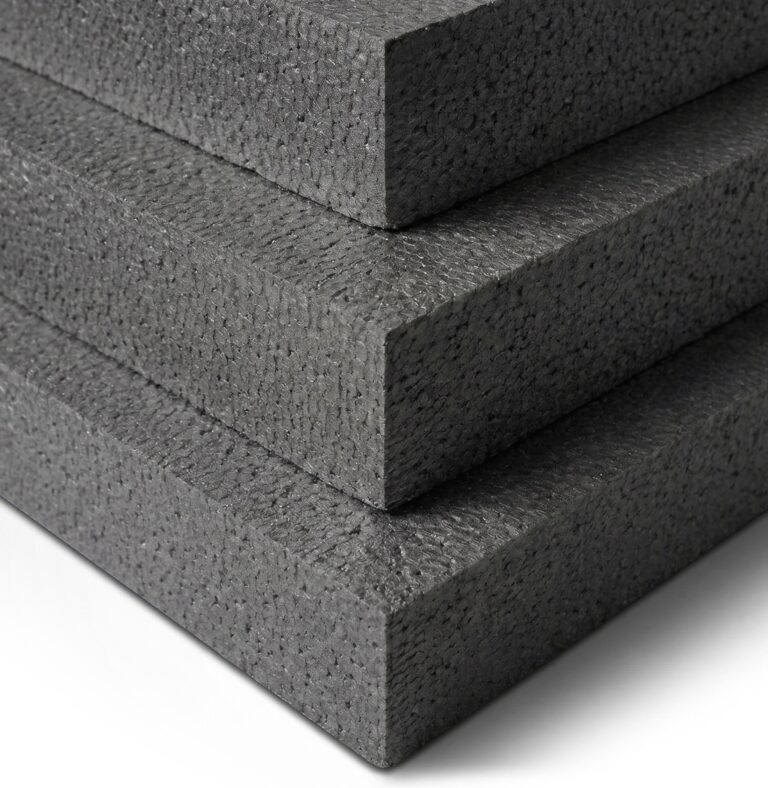
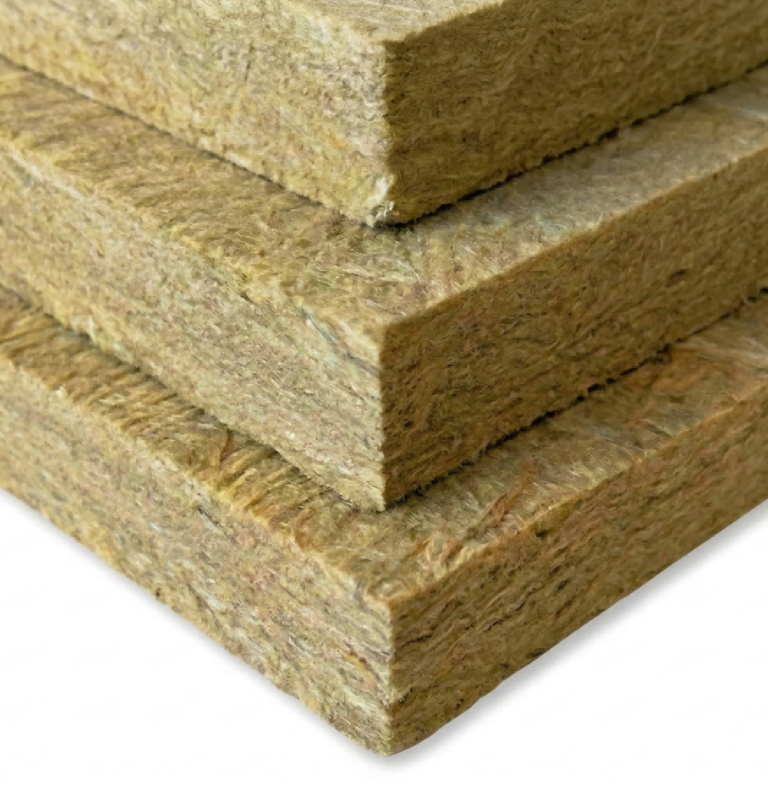
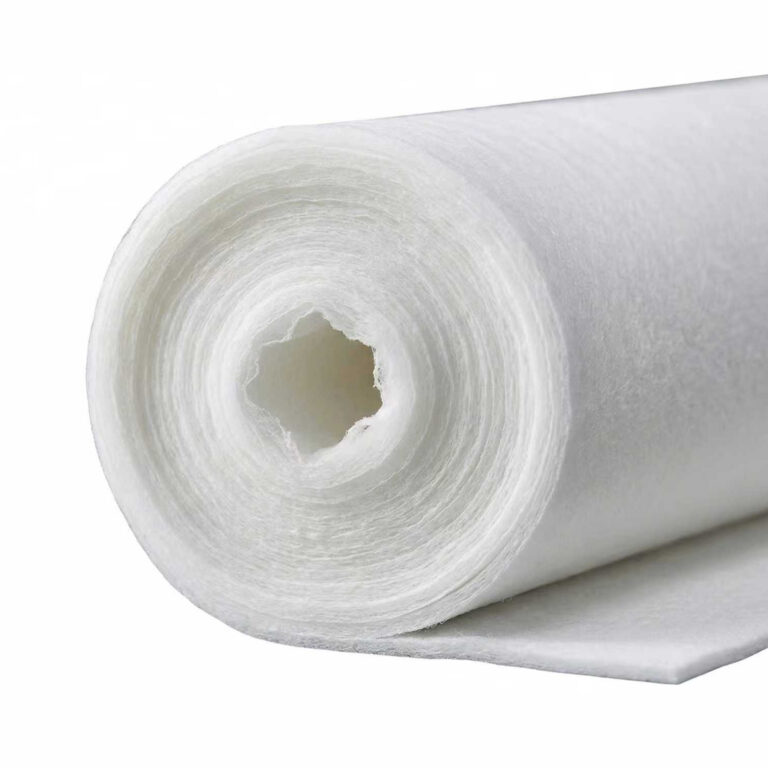
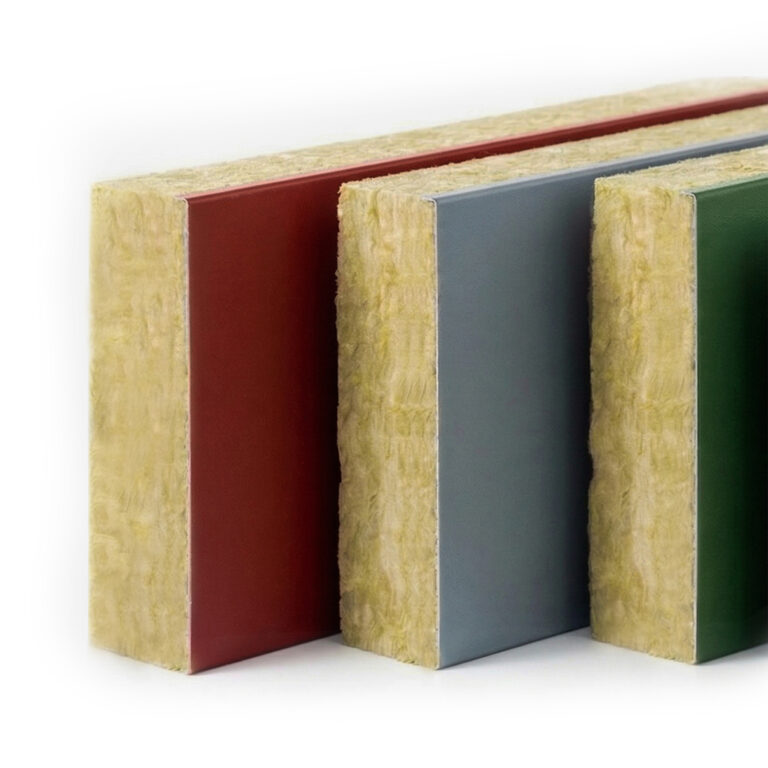
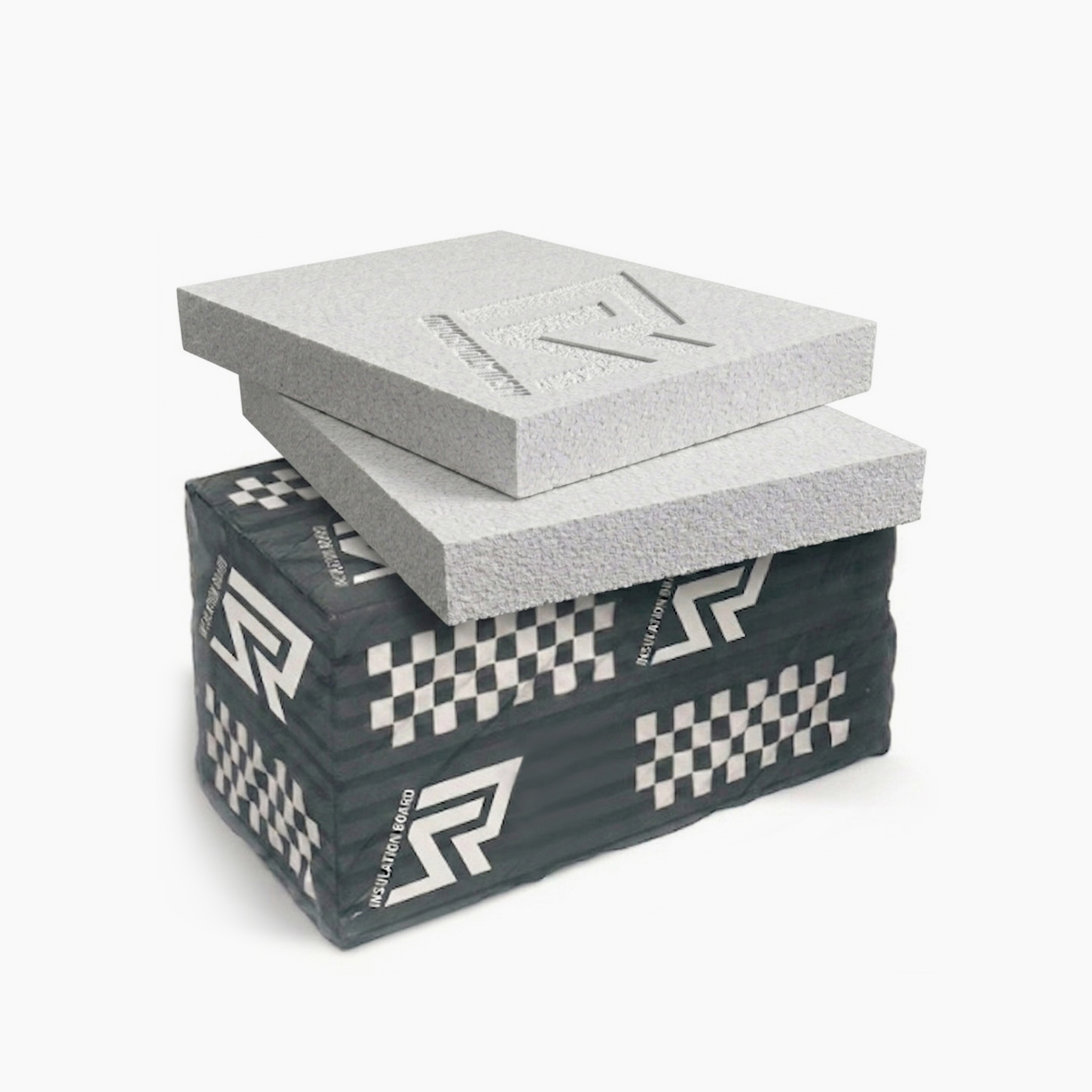
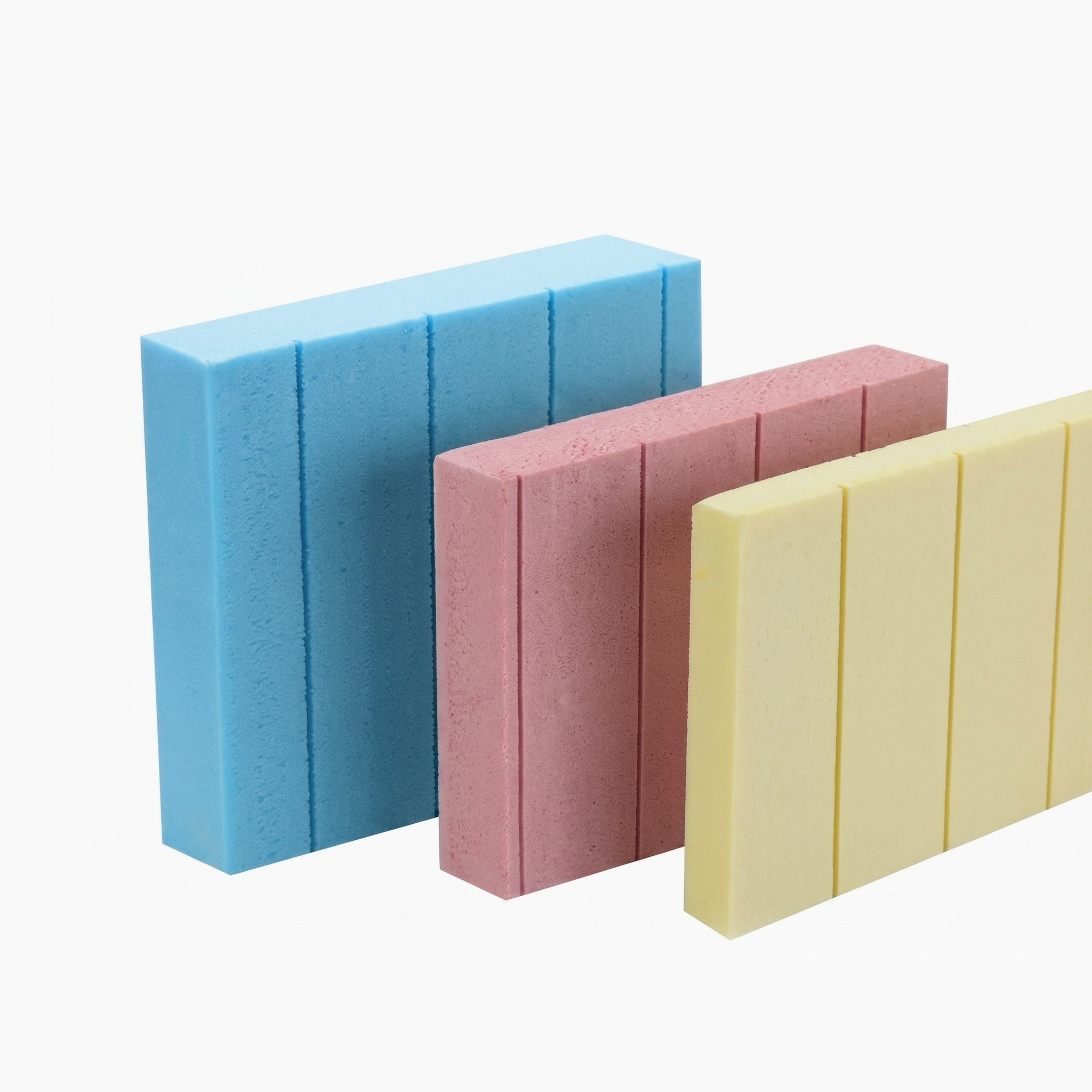
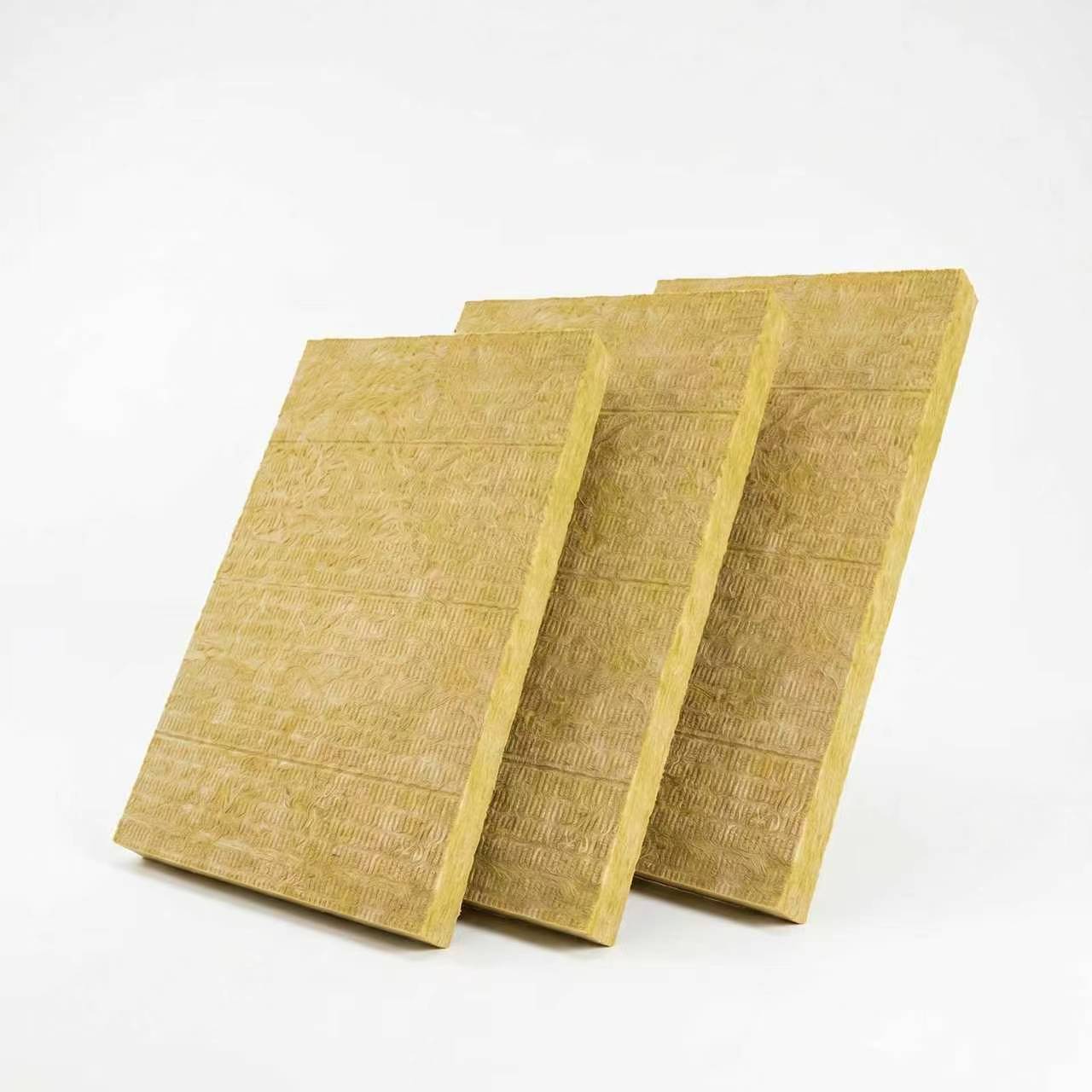
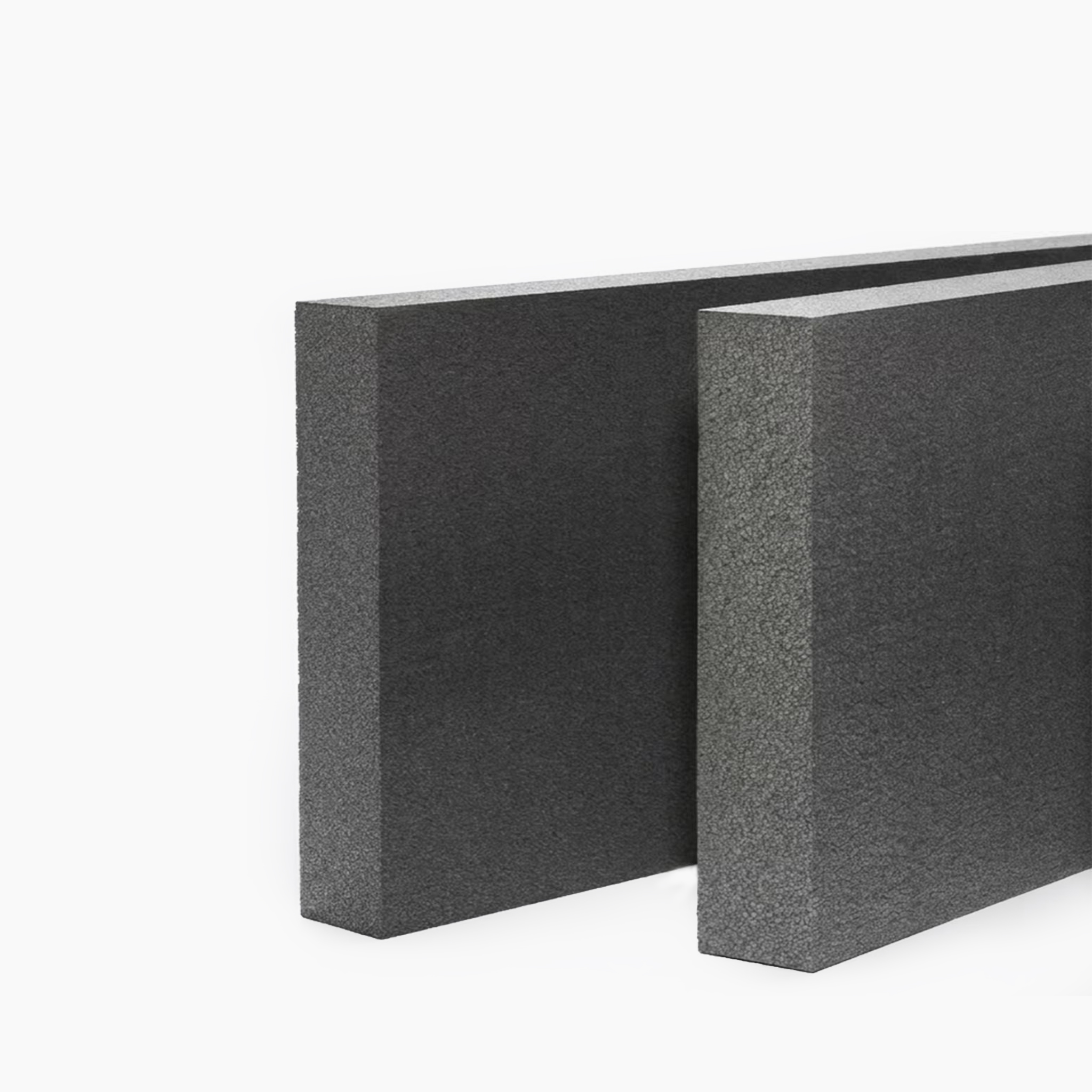
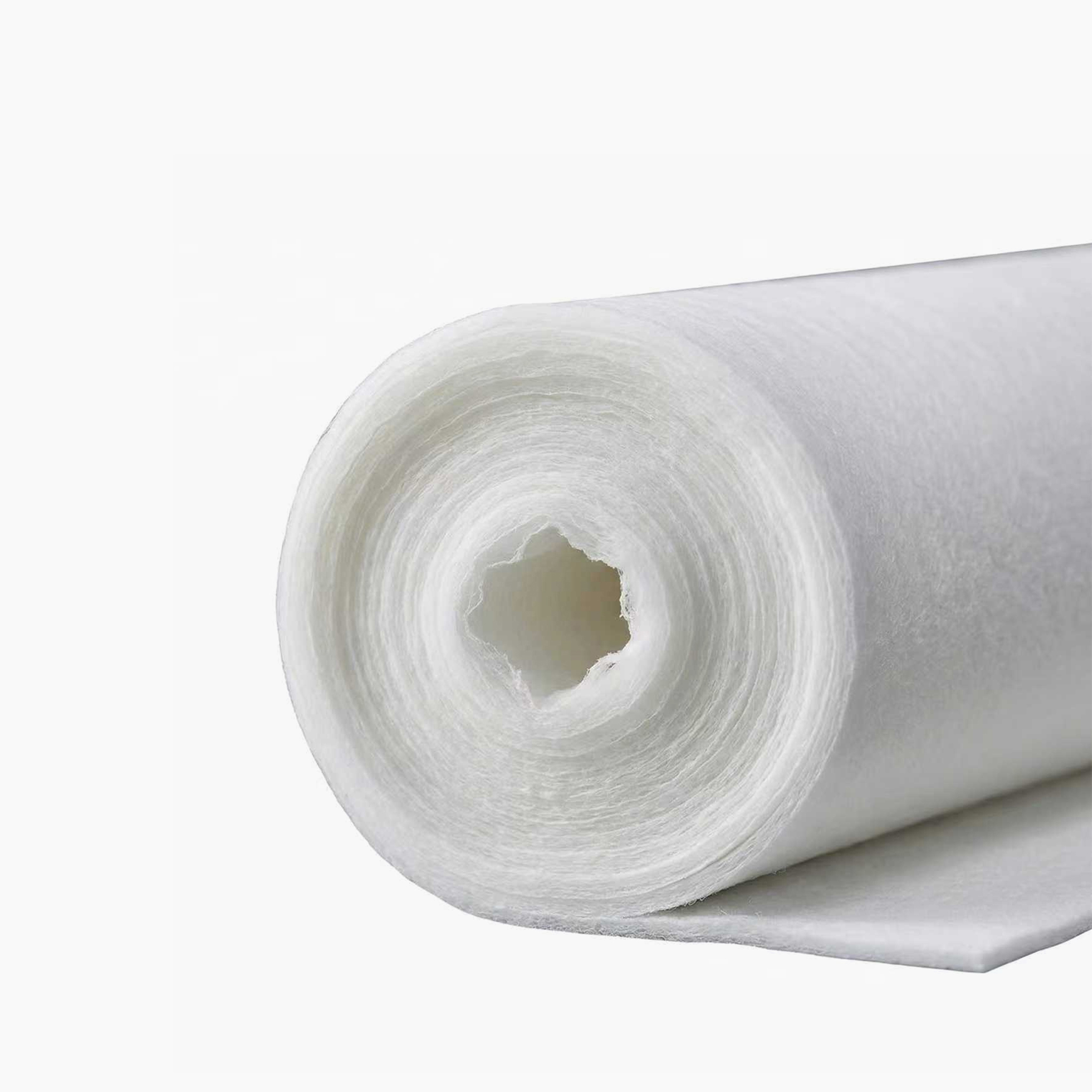
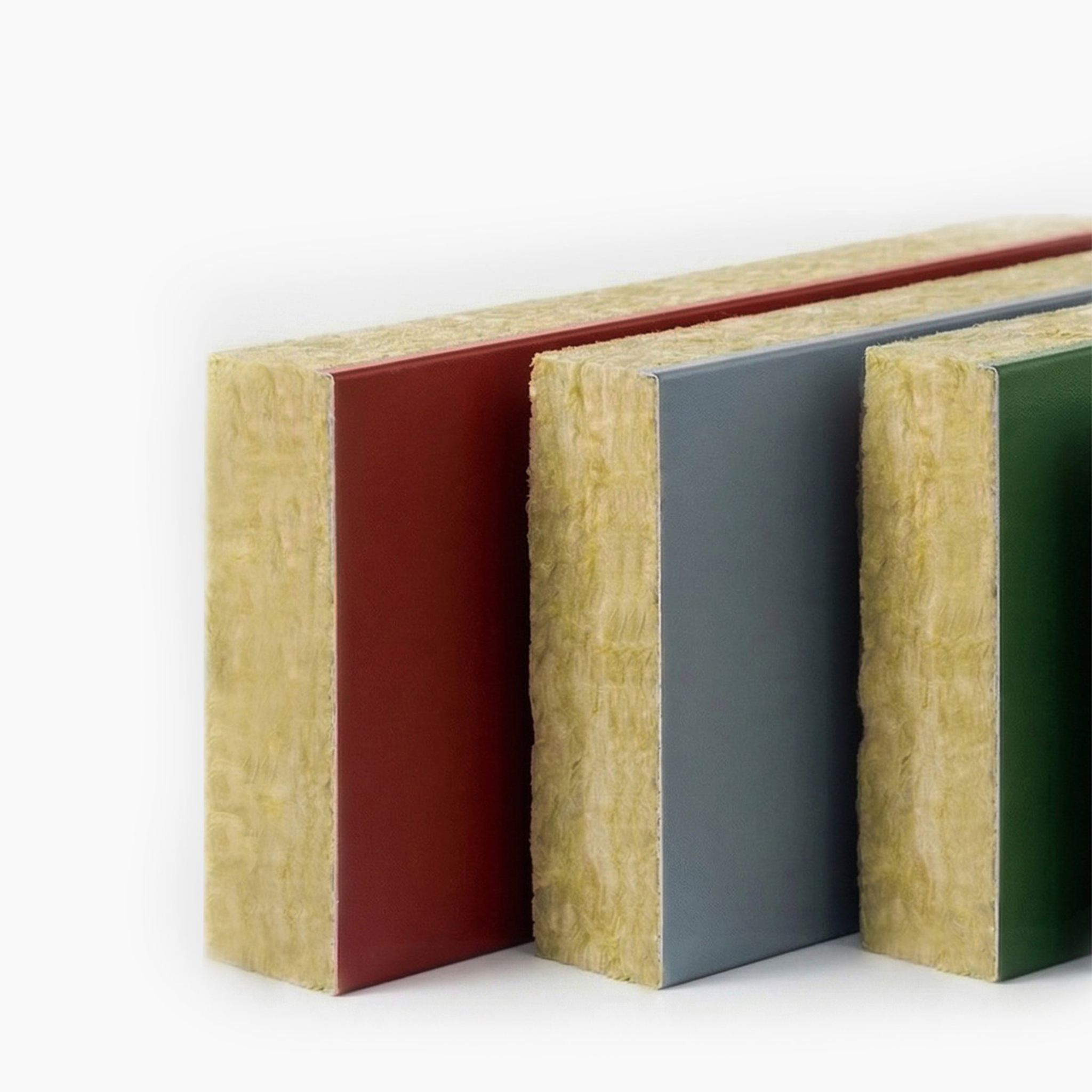
Commonly Used Materials: Aerogel insulation boards, Rock Wool (Mineral Wool) boards, and granulated thermal insulation mortar.
Core Advantage: Nano-aerogel boards feature an extremely low thermal conductivity . With a thickness only 1/2 to 1/3 of traditional materials, they effectively reduce the structural load on high-rises while maximizing interior net space.
II. Construction Process & Workflow
Standard workflow for the Thin-Plaster Exterior Insulation System:
Substrate Preparation: Remove oil stains and floating dust from the wall surface. Ensure the flatness is controlled within 4 mm.
Surveying & Setting Out: Mark horizontal control lines and vertical reference lines.
Adhesive Application & Board Installation: Use the “Strip-and-Point” method for bonding. The effective bonding area must be is recommended). Boards should be installed horizontally from bottom to top with staggered vertical joints.
Mechanical Anchoring (Critical Step): Due to high wind loads on tall structures, mechanical anchors are mandatory for secondary reinforcement.
Quantity Requirements: 6–8 units for low-rise; 10–12 units recommended for levels above the 20th floor.
Base Coat & Reinforcing Mesh: Apply the first layer of base coat mortar, embed the alkali-resistant fiberglass mesh, and then apply the final layer of finish mortar.
Exterior Finish Application: Application of coatings, stone-like paint, or dry-hung stone cladding.
III. Key Technical Points & Quality Control
Detail & Corner Treatment Corners (Internal/External): Fiberglass mesh must overlap at corners with an overlap width.
Openings (Doors/Windows): Diagonal reinforcement mesh must be applied at a angle at all four corners of openings to prevent stress-induced cracking.
Safety & Environmental Requirements Wind Speed Limits: Construction is strictly prohibited during winds of Level 5 (Fresh Breeze) and above, or during rainy weather.
Weather Resilience: The system must be engineered to withstand drastic temperature fluctuations typical of high-rise environments to prevent panel detachment (delamination).