



บทคัดย่อ
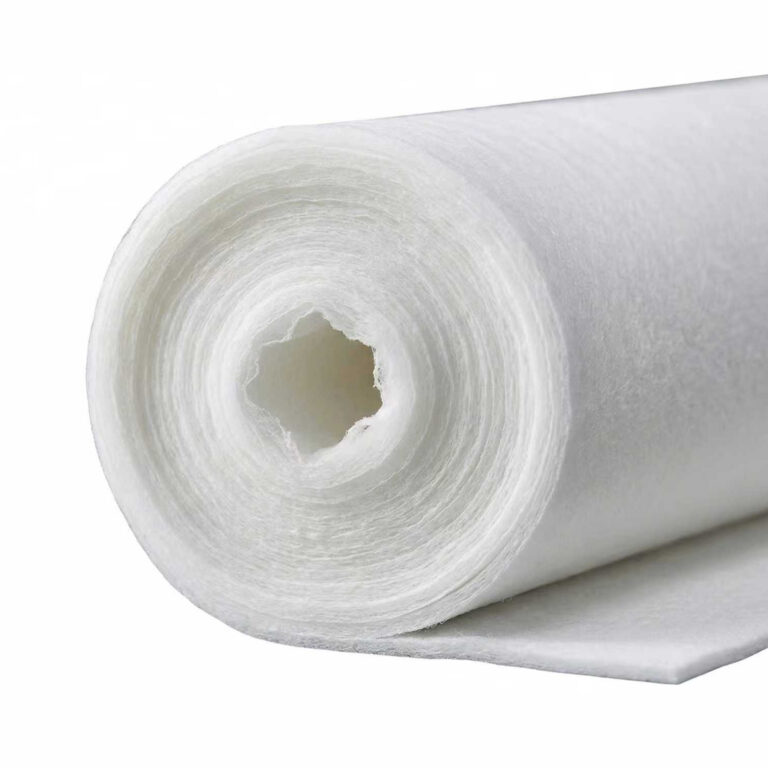
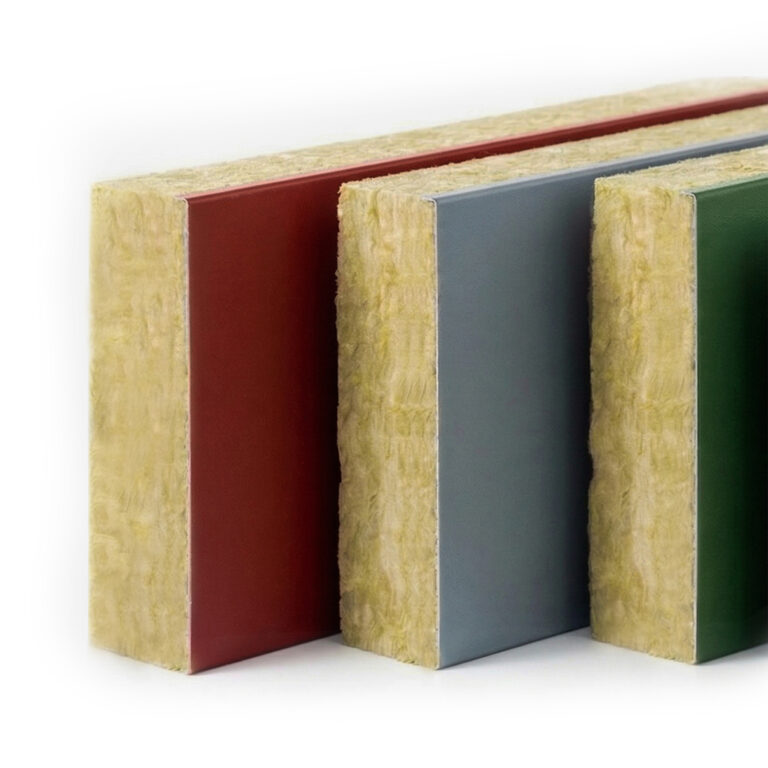
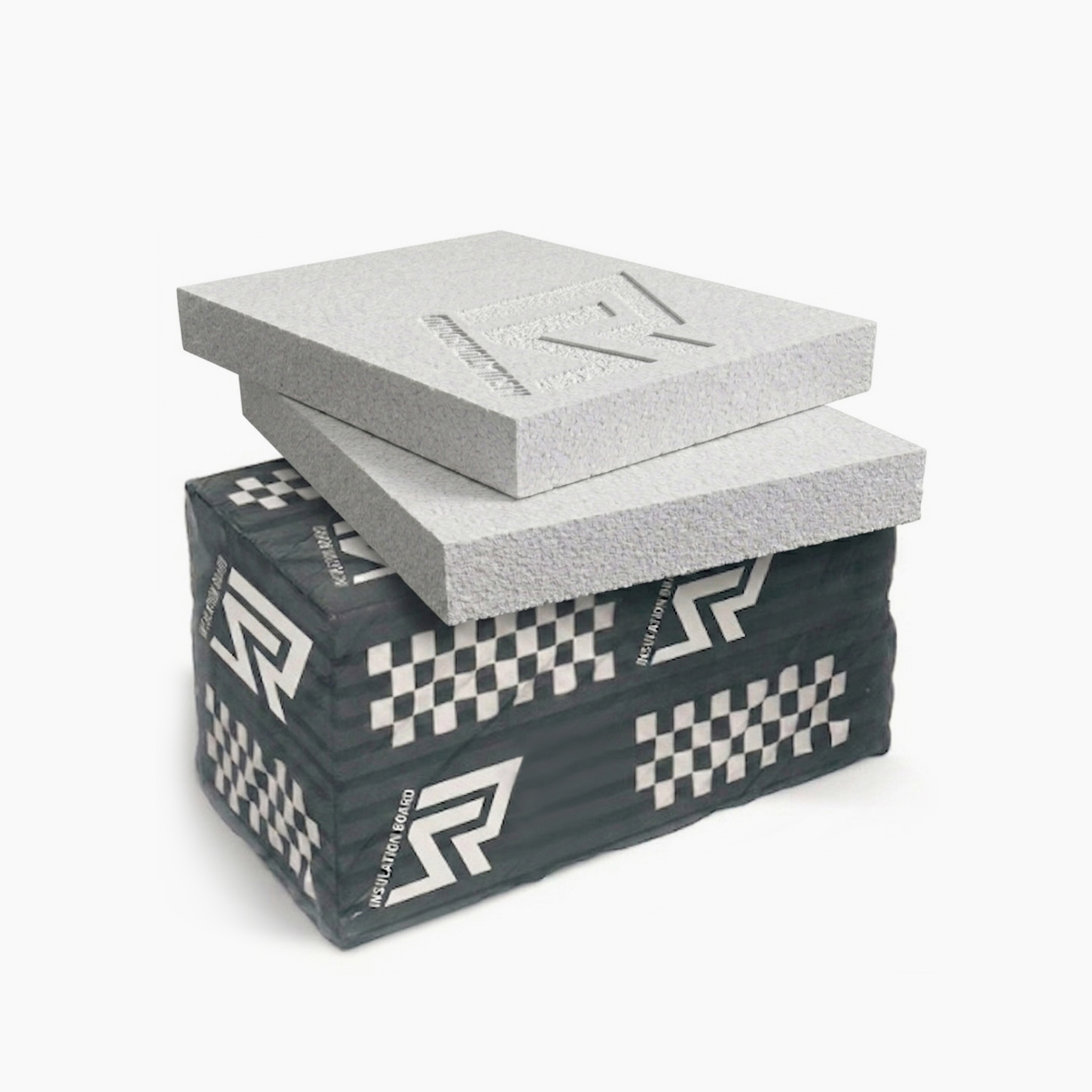
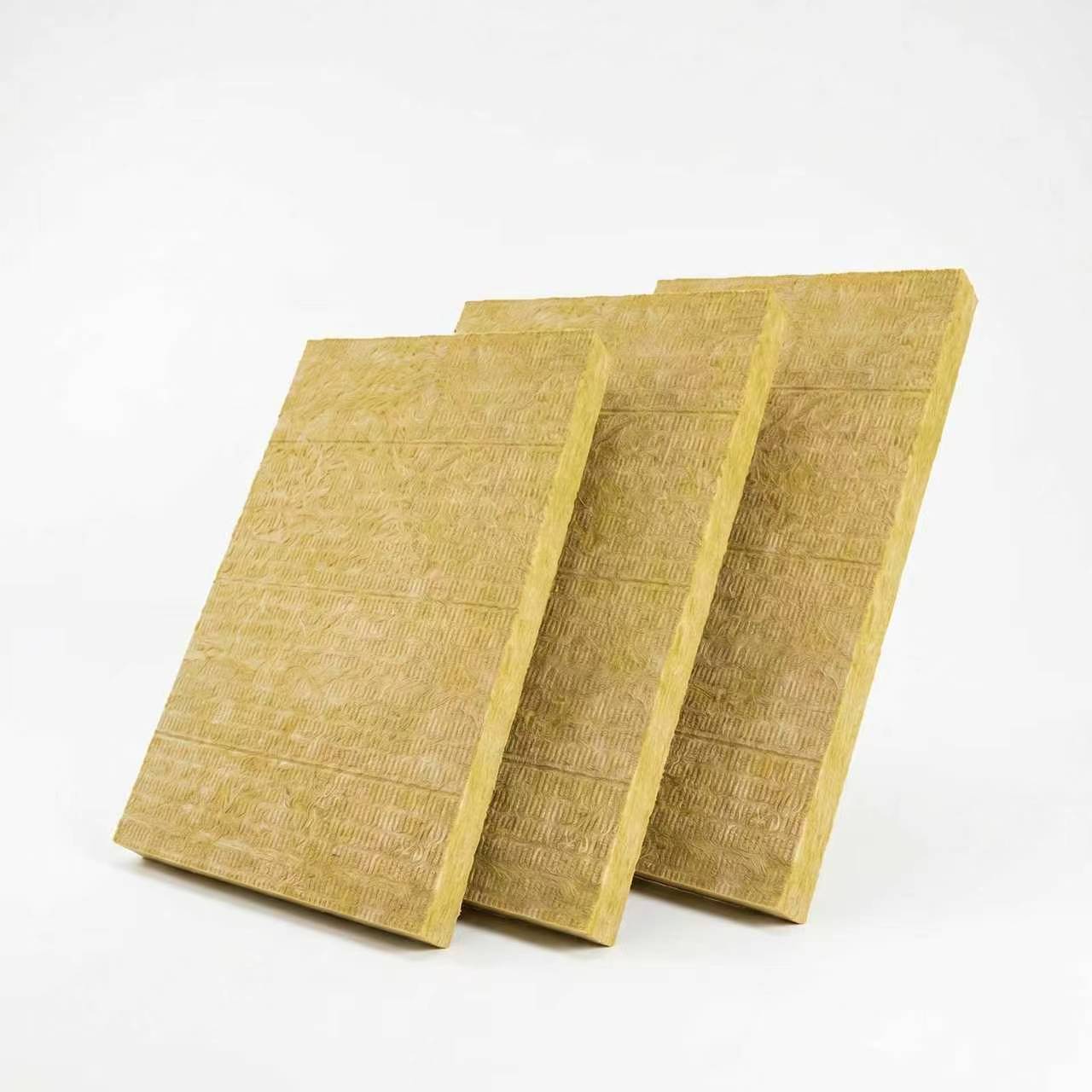
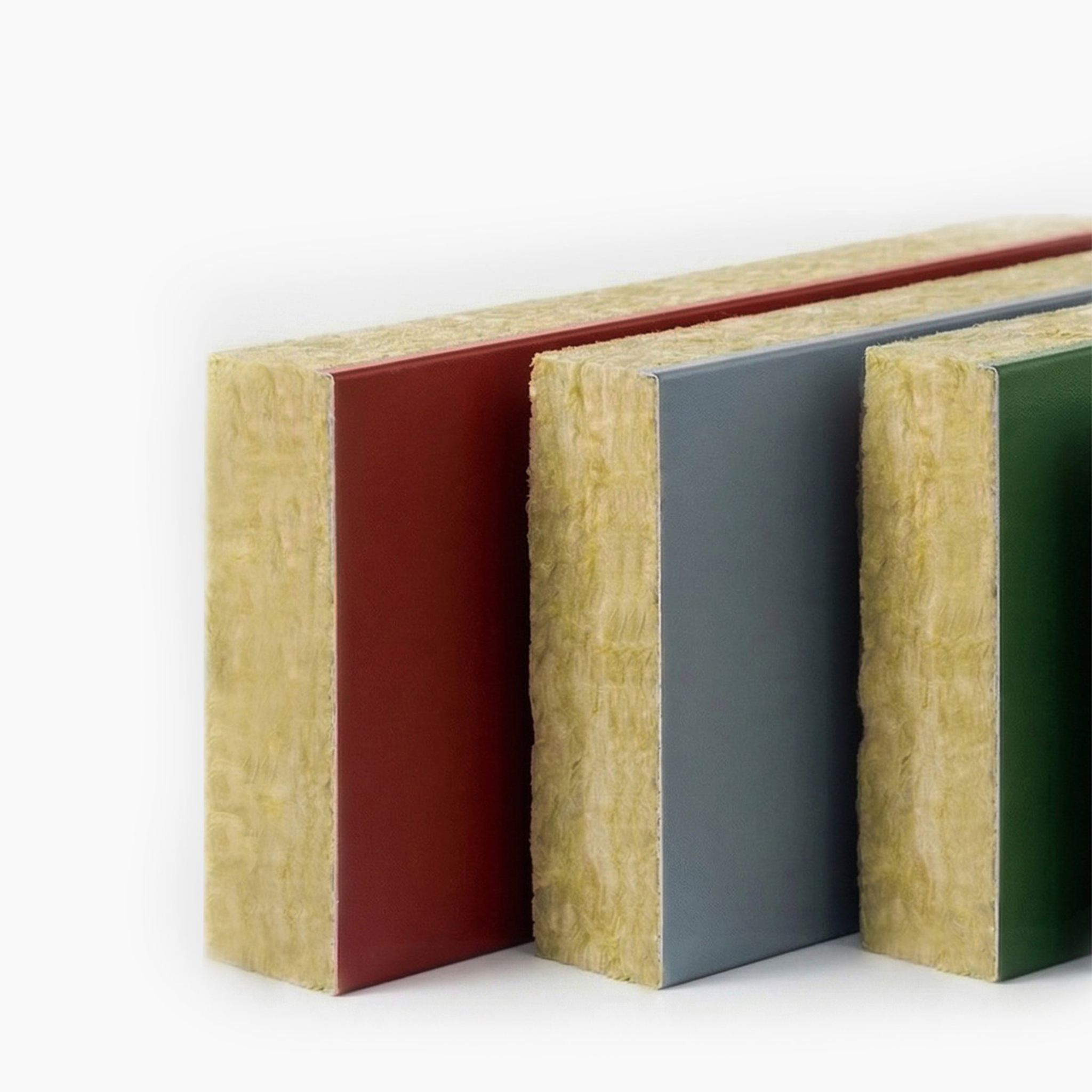
In the design of modern External Thermal Insulation Composite Systems (ETICS), energy efficiency and fire safety often present a core contradiction. This paper aims to provide an in-depth analysis of the dual role of basalt rock wool in building envelopes from the perspectives of material science and thermodynamics. As a top-tier (Class A1) non-combustible material, rock wool not only provides exceptional thermal resistance but also acts as a critical physical barrier in extreme fire scenarios. Using the technical standards of RSINSULATIONBOARD as a benchmark, this paper explores its microscopic fiber structure, thermophysical parameters, and water vapor conduction behavior under extreme climate conditions.Lorem ipsum dolor sit amet, consectetur adipiscing elit. Ut elit tellus, luctus nec ullamcorper mattis, pulvinar dapibus leo.
บทนำ
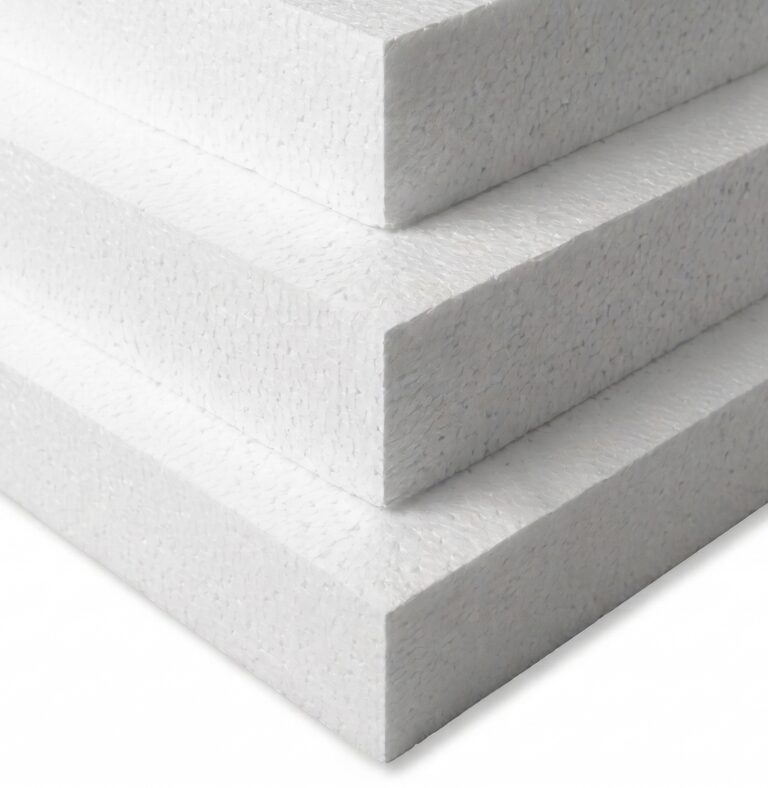
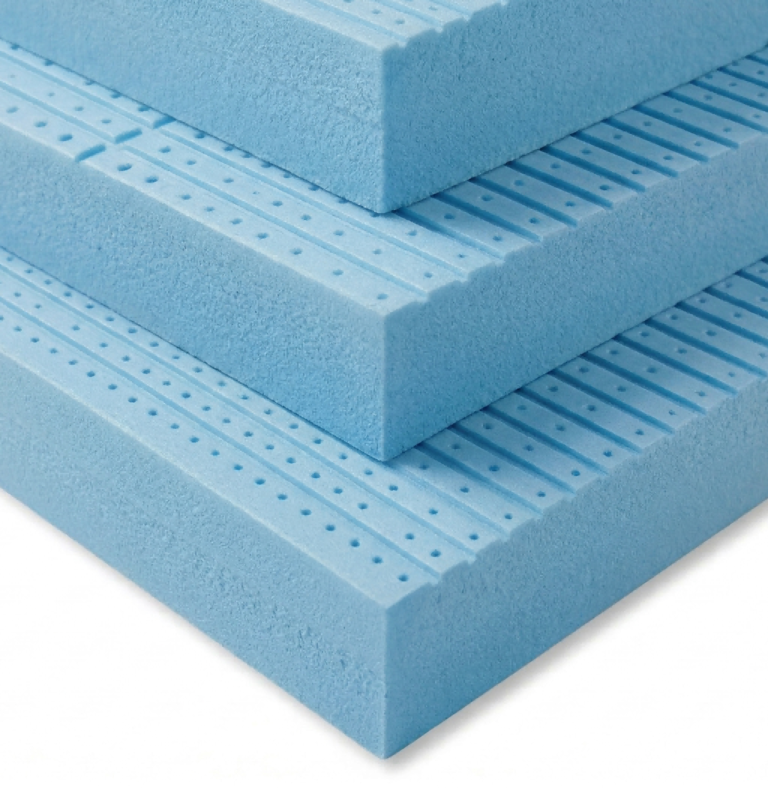
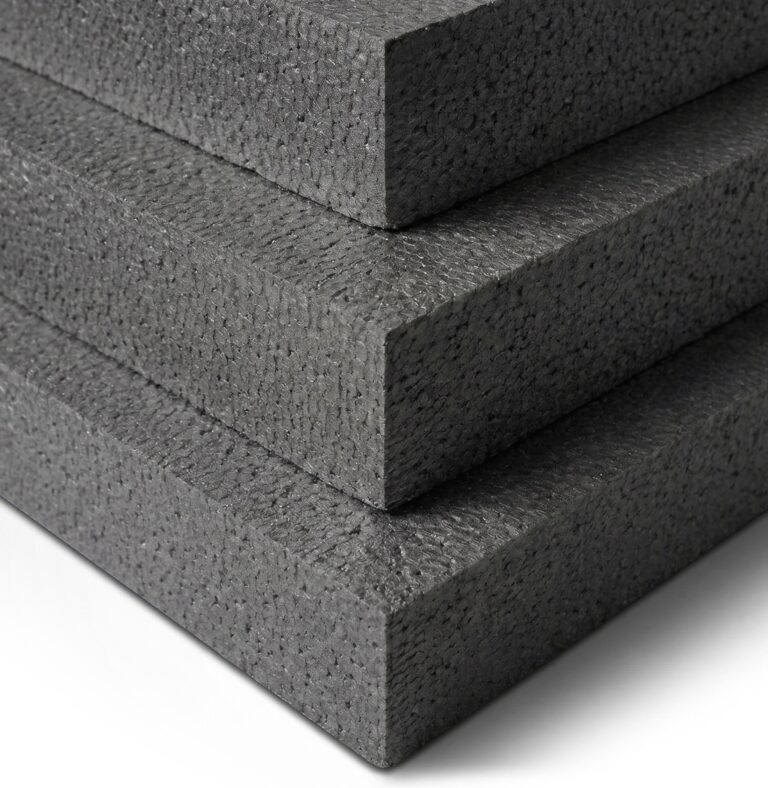
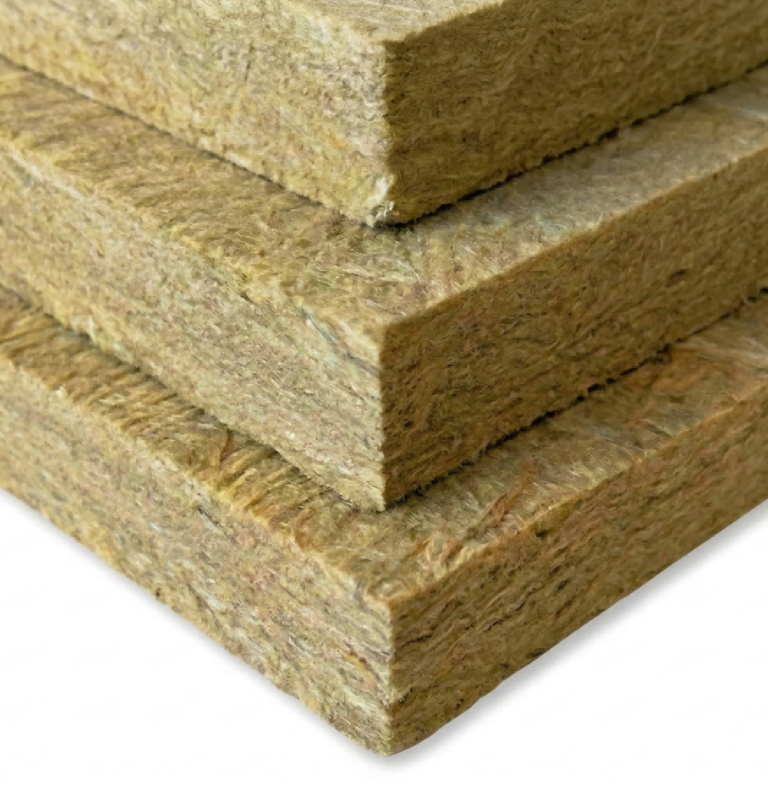
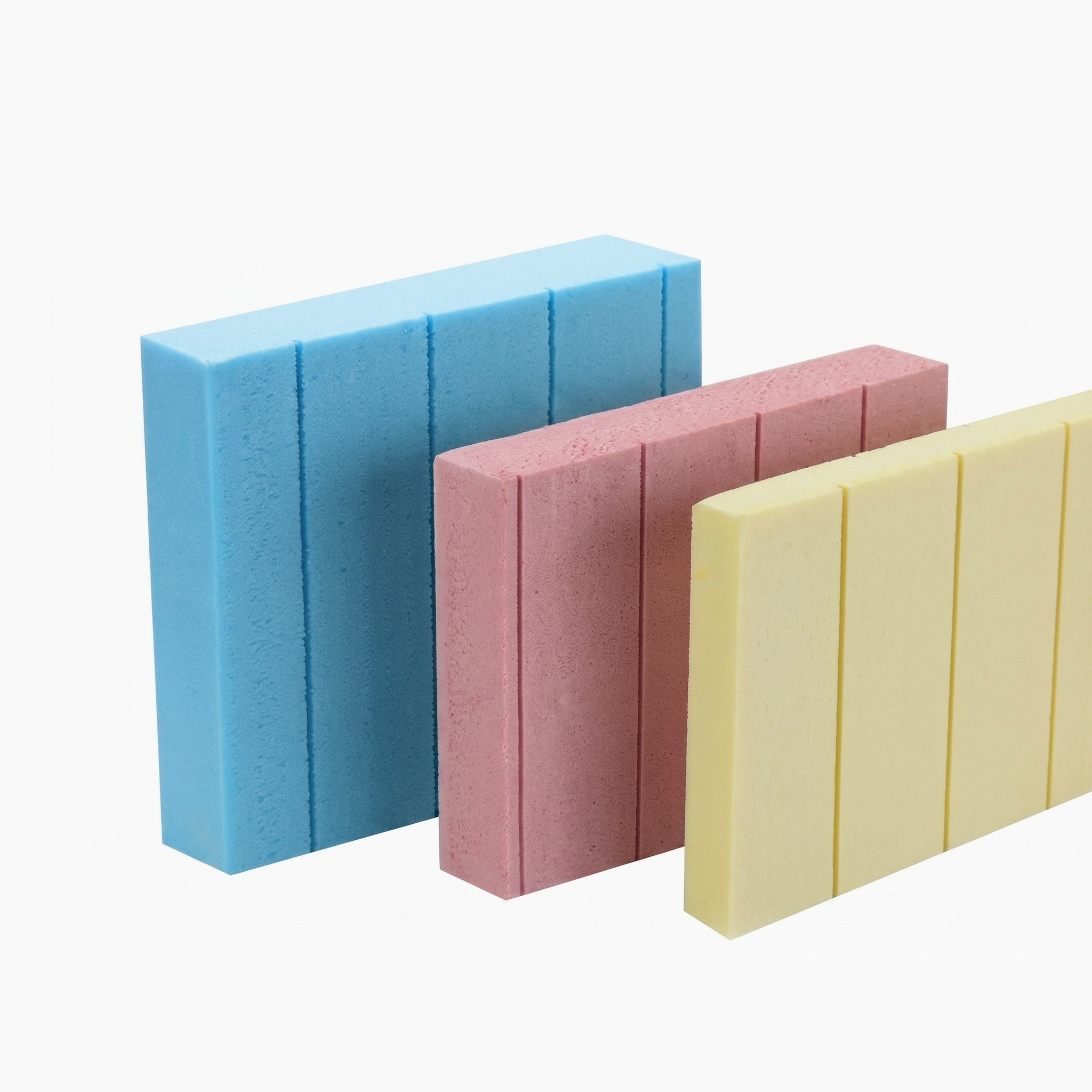
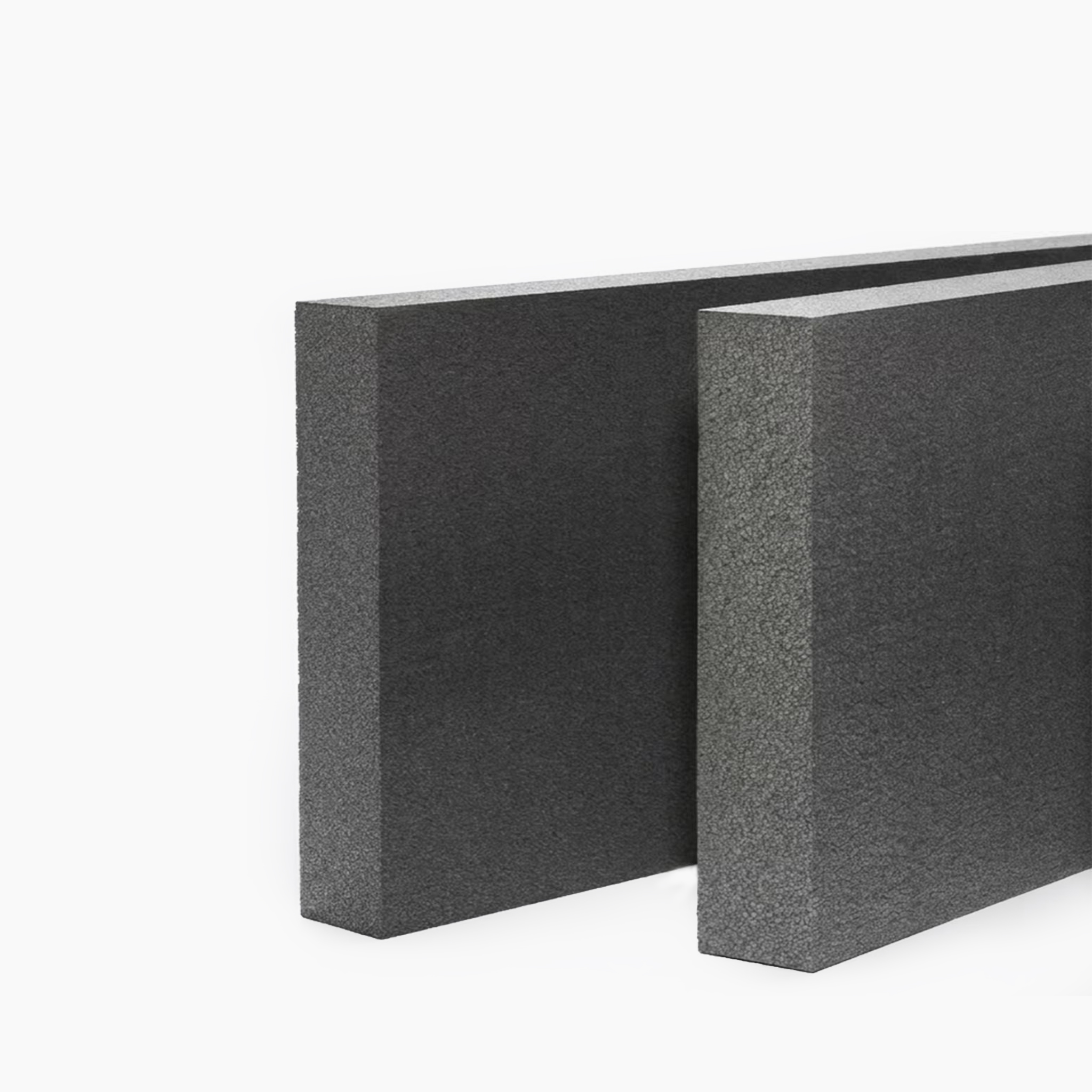
With the growing global demand for Nearly Zero Energy Buildings (NZEB), the thickness of external wall insulation layers has significantly increased. However, traditional organic insulation materials (such as EPS, XPS) are highly susceptible to the “chimney effect” during a fire, causing rapid flame spread along the facade. To break through this safety bottleneck, inorganic rock wool boards—manufactured by centrifugally spinning molten natural basalt at high temperatures—have become the preferred compliant material for high-rise buildings and high-density commercial complexes.
Thermodynamic Properties and Microstructure
The insulation mechanism of rock wool originates from its three-dimensionally interwoven microscopic fiber network, which effectively traps a large volume of stagnant air. Air is a poor conductor of heat, possessing a very low thermal conductivity at room temperature. The thermal conductivity of standard high-quality rock wool is typically stabilized at . Furthermore, utilizing the Pendulum Method, the fibers are distributed in multiple directions. This not only optimizes the isotropic thermal resistance but also significantly enhances the tensile strength and dimensional stability of the boards.
Analysis of Class A1 Fire Resistance Mechanism
The fire endurance of a building envelope directly determines the golden window for fire rescue. According to the European standard EN 13501-1, rock wool is classified as a Class A1 non-combustible material, the highest rating available.
Melting Point Threshold: The melting point of pure basalt rock wool exceeds . In typical building fires (where temperatures usually range between , the rock wool board will not melt, shrink, or produce flaming droplets.
Thermal Barrier: Under intense fire exposure, the rock wool layer effectively blocks heat conduction towards the inner structural walls, protecting the main load-bearing structure of the building from high-temperature degradation and collapse.
Hygrothermal Performance and System “Breathability”
In high-temperature and high-humidity alternating environments of tropical or subtropical climates (such as South Asia, the Middle East, or Southeast Asia), interstitial condensation within the wall is the primary culprit for insulation system failure. Rock wool has an extremely low water vapor diffusion resistance factor (), meaning water vapor can freely pass through the insulation layer without being trapped, granting the building envelope excellent “breathability.” Meanwhile, rock wool boards produced under the RSINSULATIONBOARD standard process incorporate special polymeric water repellents, resulting in extremely low volumetric water absorption (hydrophobicity ). This achieves superior liquid water resistance while maintaining vapor permeability.
Mechanical Requirements in ETICS
Because the bulk density of rock wool (ρ = 100 ~ 140 kg/m³) is significantly higher than that of polystyrene materials, its system safety during facade construction is of paramount importance.
Bonding and Anchoring: Codes require dual fixation using the “Strip-and-Dot Method” combined with mechanical anchors. The effective bonding area must not be less than of the total board surface.
Wind Load Resistance: High-rise buildings experience extreme negative wind pressures. Therefore, during design, the quantity and pull-out strength of the anchors must be accurately calculated. It is typically required to distribute 6 to 10 disc anchors per square meter to ensure the structural integrity of the insulation system under extreme typhoon conditions.
สรุป
In conclusion, Class A fireproof rock wool has transcended the traditional scope of “energy-saving materials” and evolved into an indispensable life safety defense line for modern architecture. It maintains structural stability under extreme fire tests and sustains long-term performance amid complex hygrothermal fluctuations. For developers and general contractors dedicated to building century-lasting safe engineering projects, selecting a high-standard, rigorously manufactured rock wool system is not merely an investment in building energy efficiency, but the most solid commitment to public safety.