



Introduction
In the 2026 global climate agenda, the construction industry accounts for approximately 40% of total carbon emissions. As nations tighten energy regulations—such as the EU’s EPBD (Energy Performance of Buildings Directive)—”decarbonization” is no longer an option but a mandatory “entry permit” for the global infrastructure market. As a pioneer in thermal science, RSinsulationboard breaks down the core pathways to achieving Net-Zero buildings.
Reducing “Operational Carbon”: Thermal Performance Beyond Thickness
Heating and cooling during a building’s operation account for over 70% of its total energy consumption.
Eliminating Thermal Bridges: Traditional construction often suffers from energy loss due to poorly sealed joints.
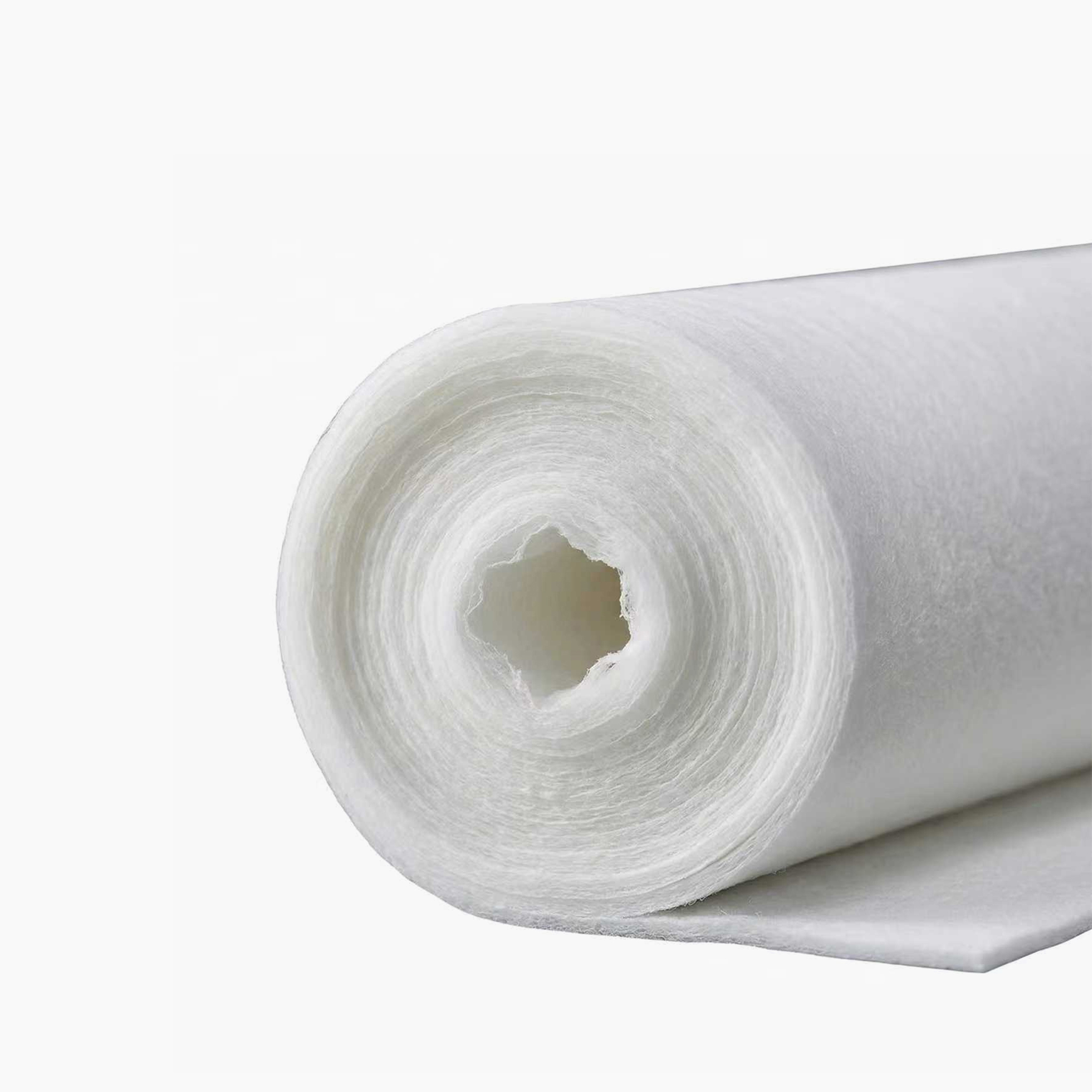
The RS Solution : Our Integrated Composite Board System features a prefabricated modular design, significantly reducing on-site seams. Combined with the ultra-low thermal conductivity of Nano-Aerogel (λ ≤ 0.018 W/(m·K)), it achieves extreme insulation within a thinner profile, making it the ideal choice for Passive Houses (ultra-low energy buildings).
Focusing on “Embodied Carbon”: The Green Footprint of Material Life Cycles
“Embodied carbon” refers to the emissions generated from raw material extraction, production, and transportation.
Low-Carbon Manufacturing: The 10 automated production lines at RSinsulationboard are built for efficiency as much as capacity. Our CNC systems precisely control material ratios, reducing waste rates by 15% and minimizing resource consumption at the source.
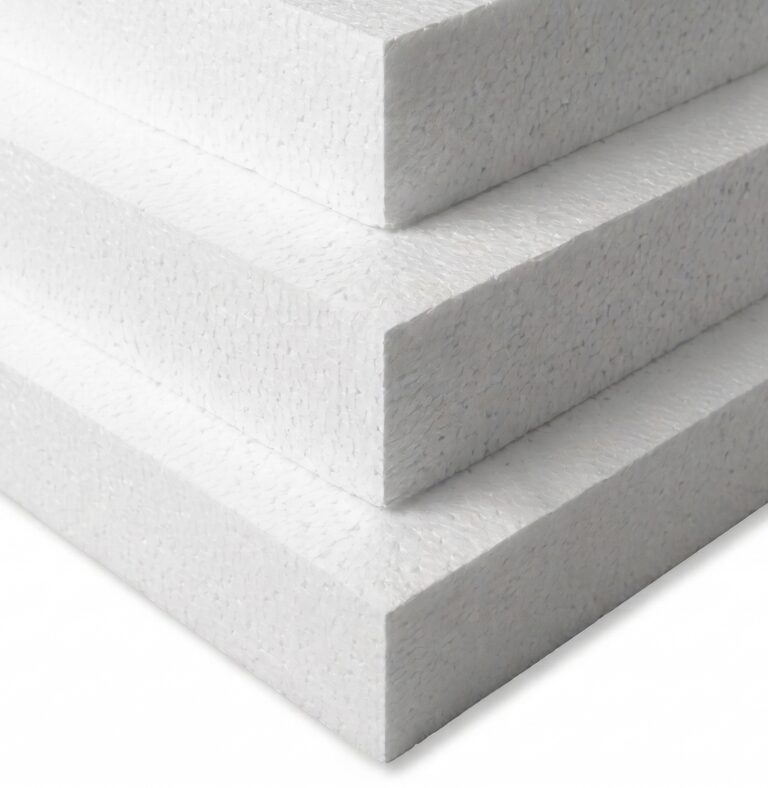
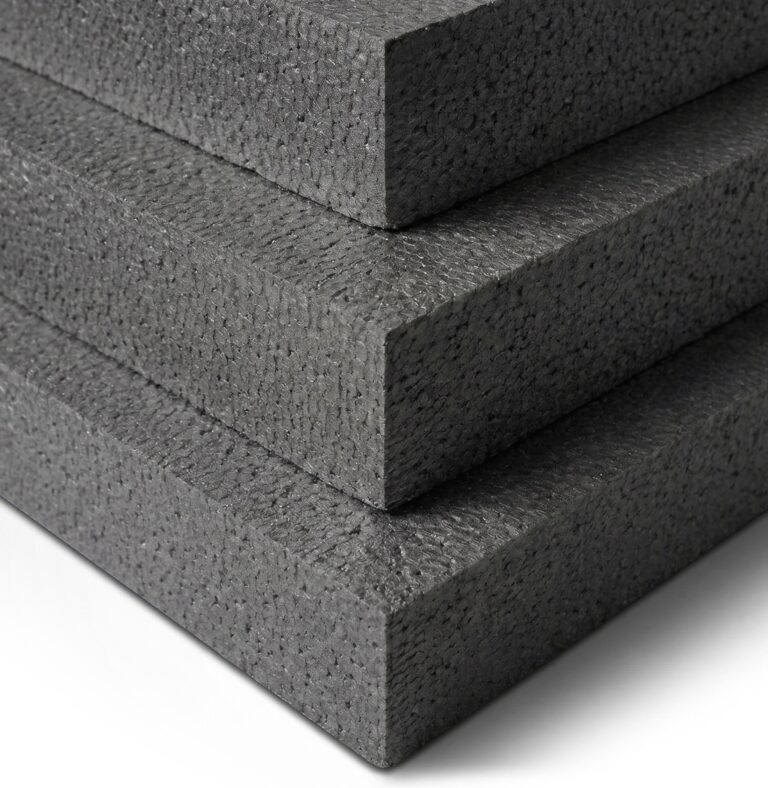
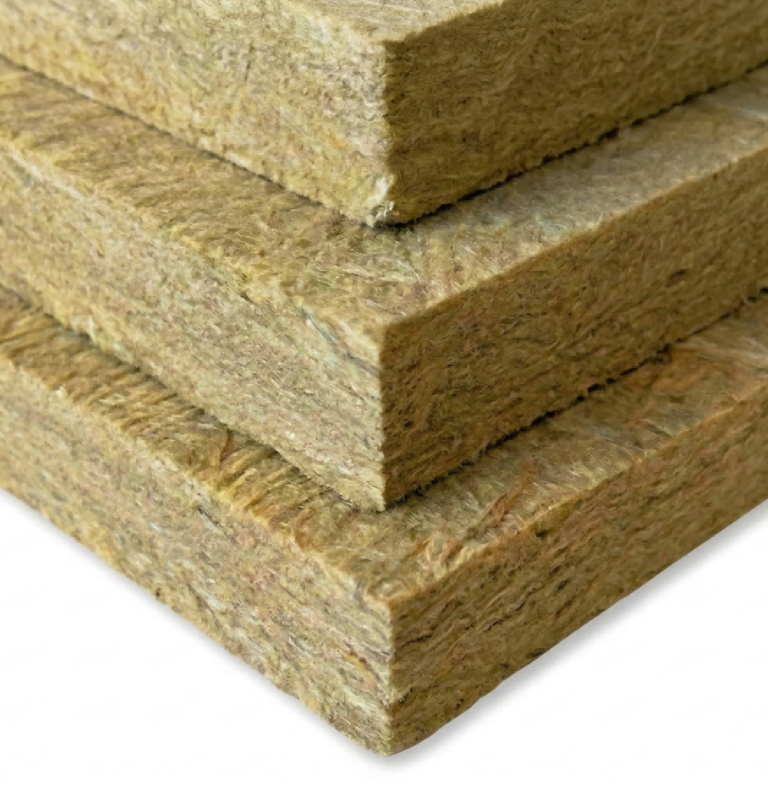
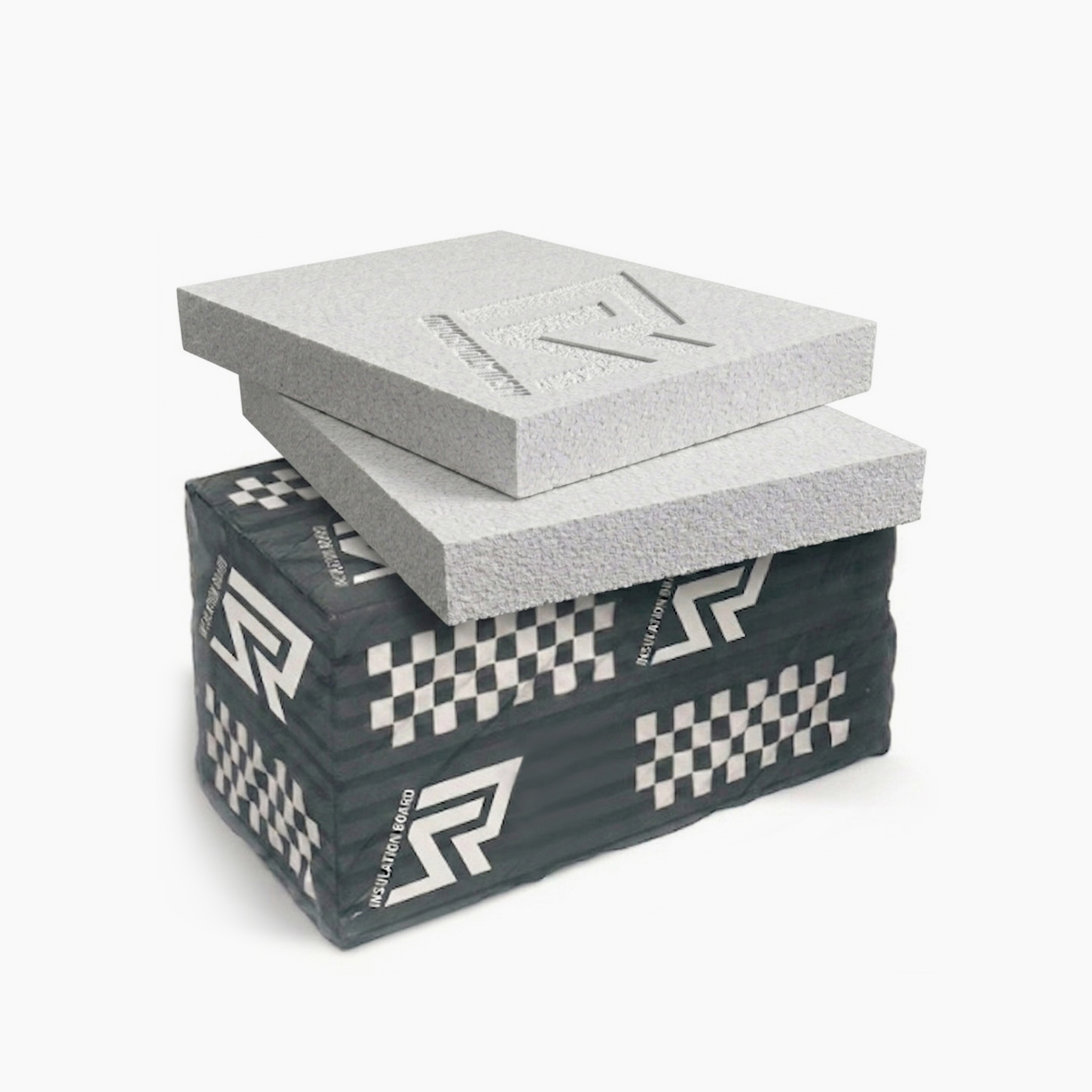
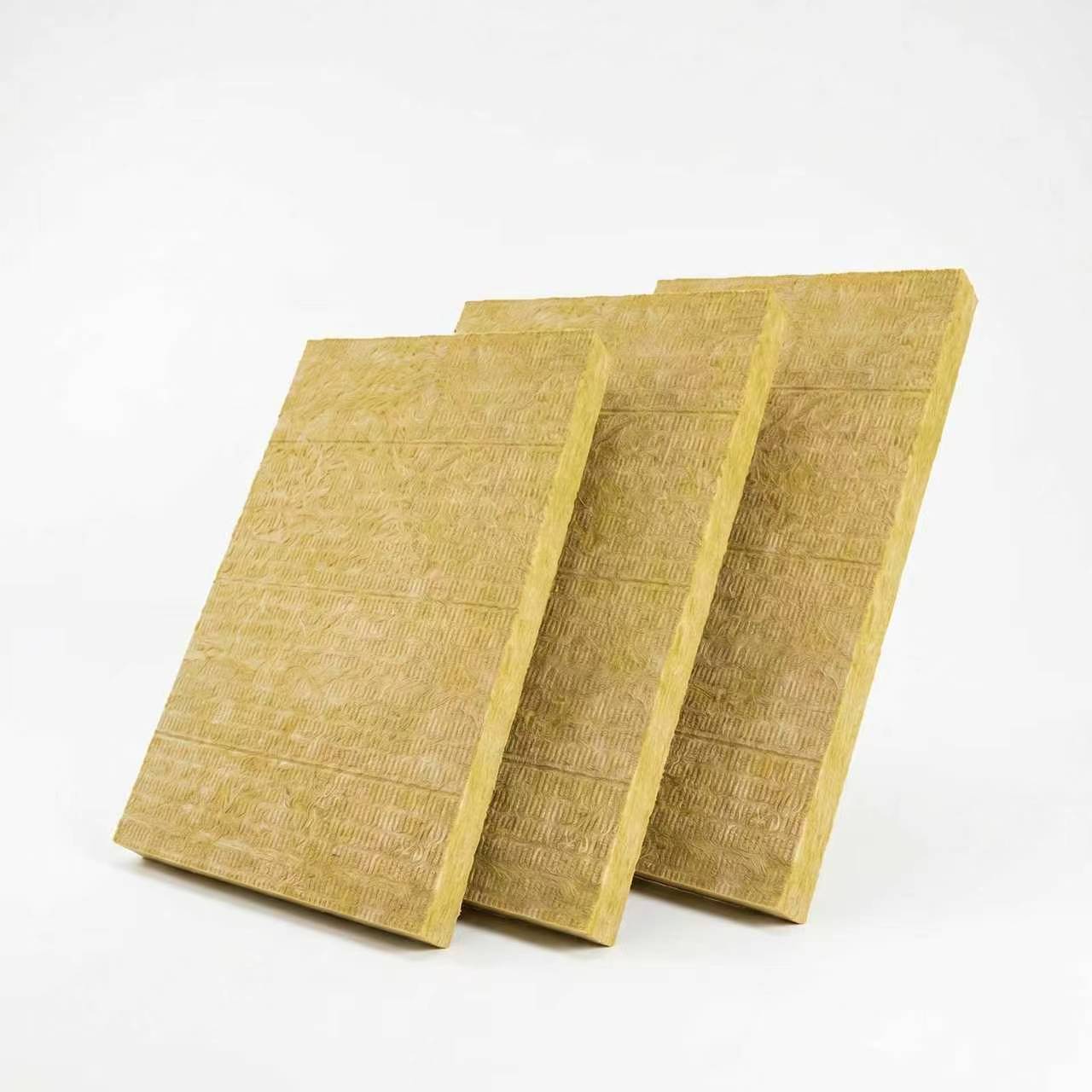
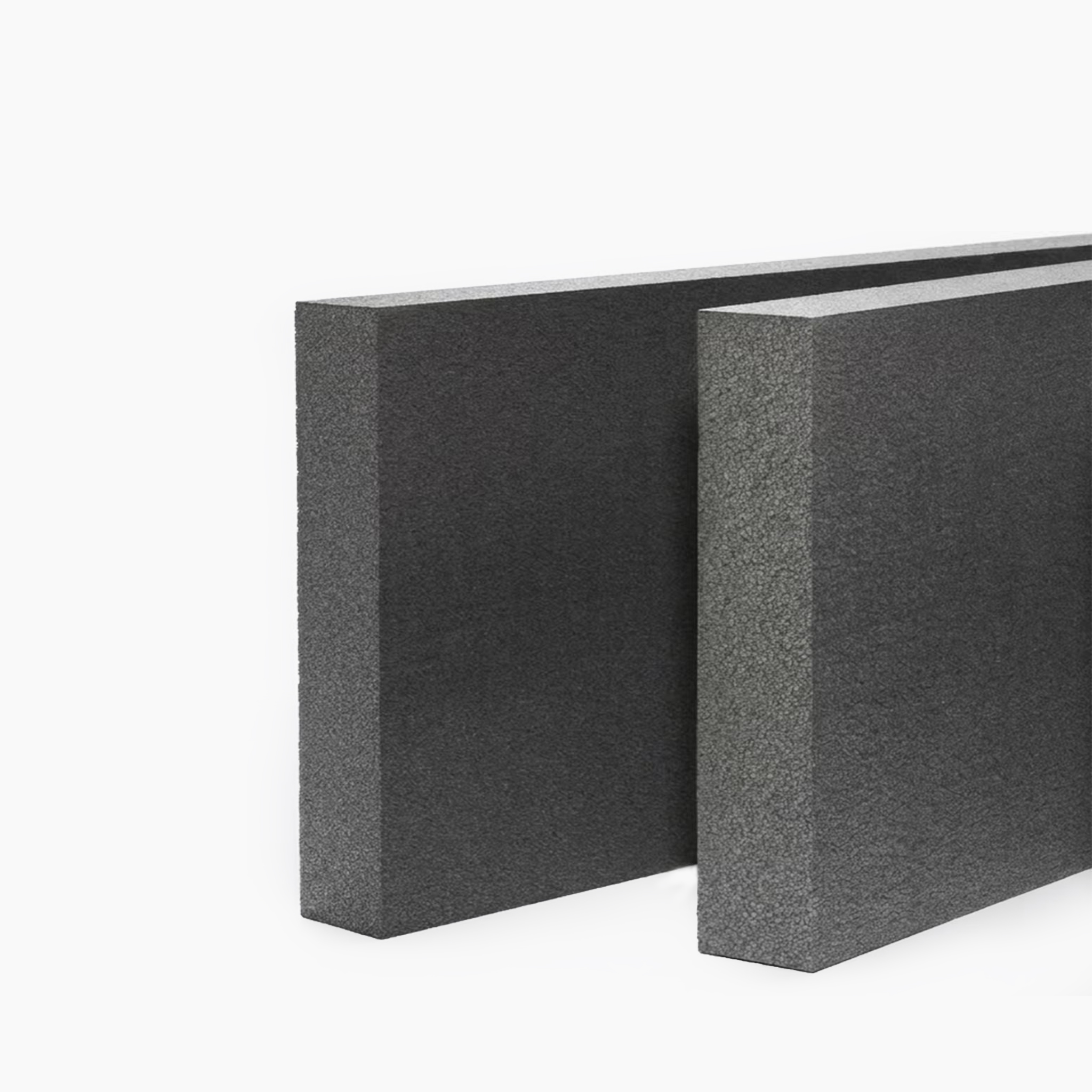
Circular Design: Our EPS and Rock Wool series feature high recyclability after decommissioning, aligning with international Circular Economy standards.
Safety and Durability: Invisible Decarbonization by Extending Building Life
Frequent renovations represent a massive waste of resources.
Class A1 Fire Rating & High Weather Resistance: Achieving CE and CR Mark certifications means our materials maintain stable performance for over 25 years, even in extreme climates—from Middle Eastern heat to European cold.
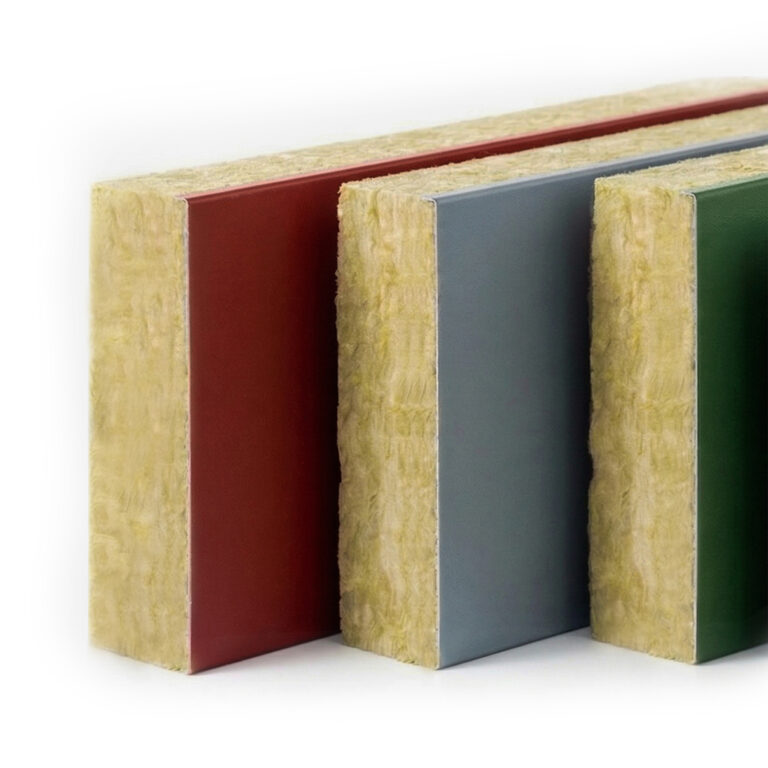
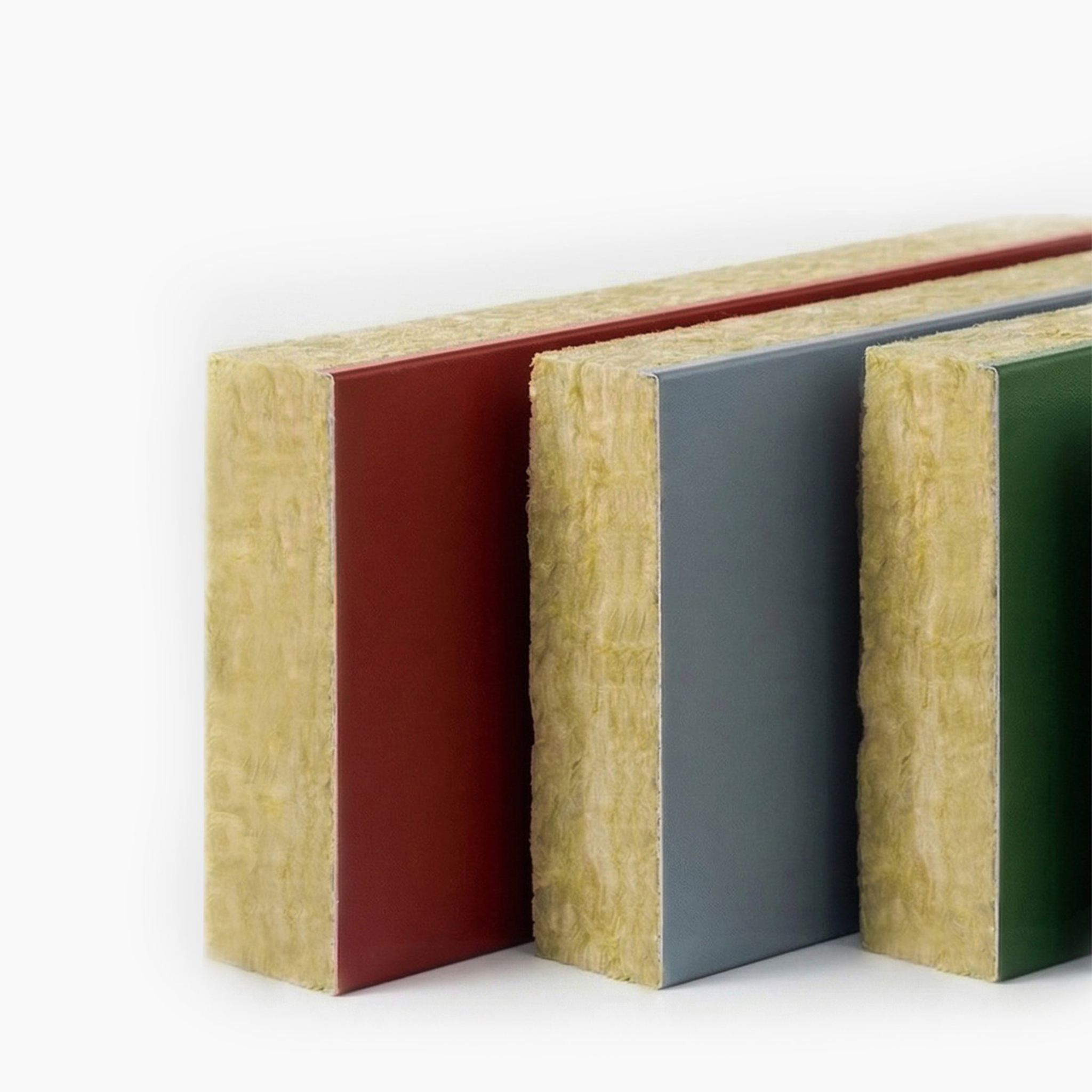
The RS Solution: Our Integrated Insulation & Decoration Boards permanently bond the decorative finish with the insulation layer, solving issues like exterior cracking and water seepage, thereby lowering the maintenance costs throughout the building’s life cycle.
2026 Trend: Digital Energy Efficiency Tracking
Modern green building projects, such as those under Saudi Arabia’s Vision 2030, now require materials to have “digital tags.”
EPD Declarations: We are committed to providing Environmental Product Declarations (EPD) for our core products, ensuring the carbon footprint of every cubic meter of board is transparent and visible.
Supply Chain Compliance: As reflected in our support for the SEE Foundation, a transparent and compliant supply chain is the cornerstone of achieving building decarbonization.
Conclusion
Building decarbonization is a precision-driven thermal revolution. Choosing RSinsulationboard is not just selecting a high-performance material; it is choosing a green commitment verified by the most rigorous international standards.