



Abstract
This paper investigates the critical role of cell morphology, specifically fine-cell structures (mean diameter < 0.1 mm), in determining the Long-term Thermal Resistance (LTTR) of Extruded Polystyrene (XPS) foams. By analyzing gas diffusion mechanisms and the aging process over a 20-year simulated period, we demonstrate that fine-cell XPS maintains superior thermal integrity compared to conventional coarse-cell variants.
Introduction
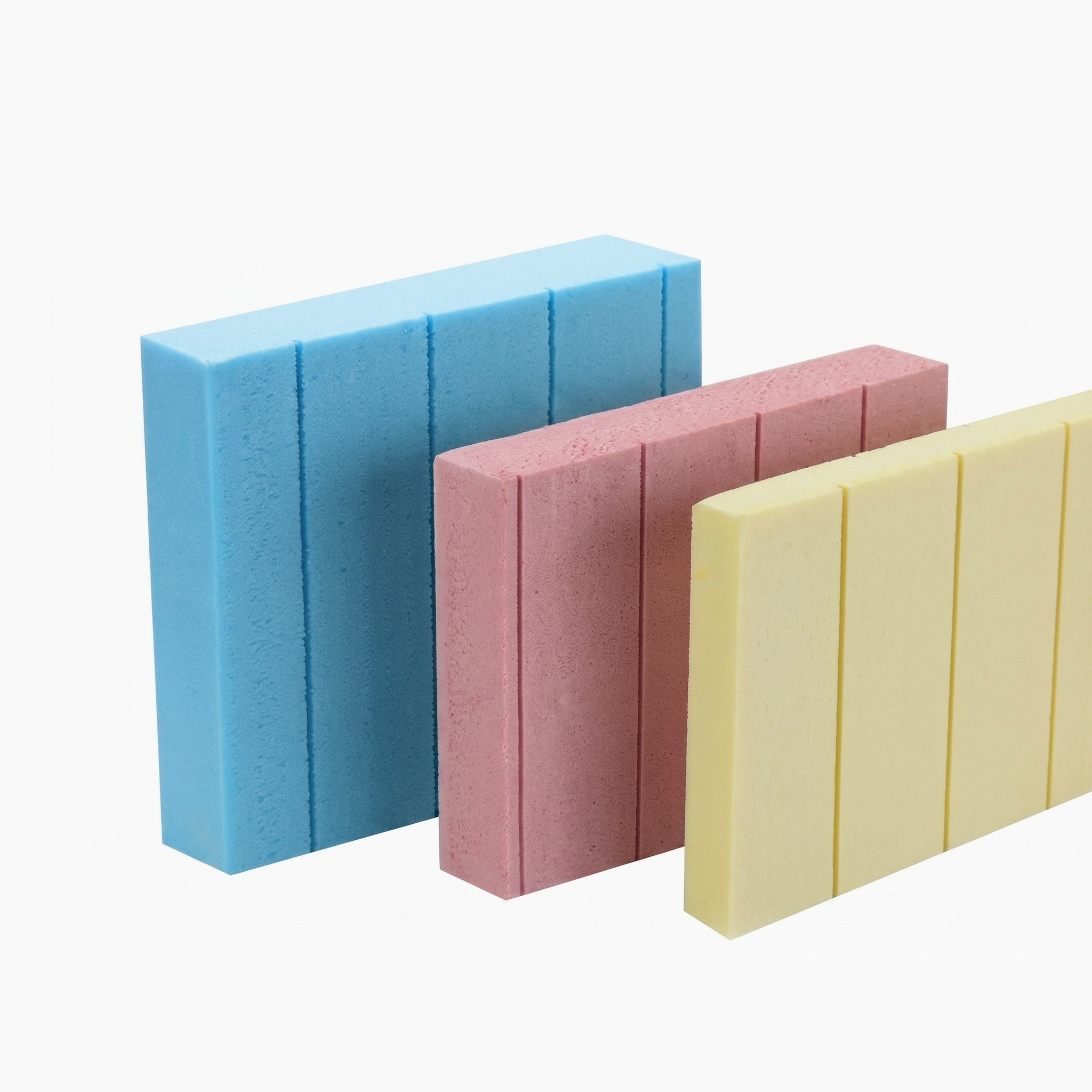
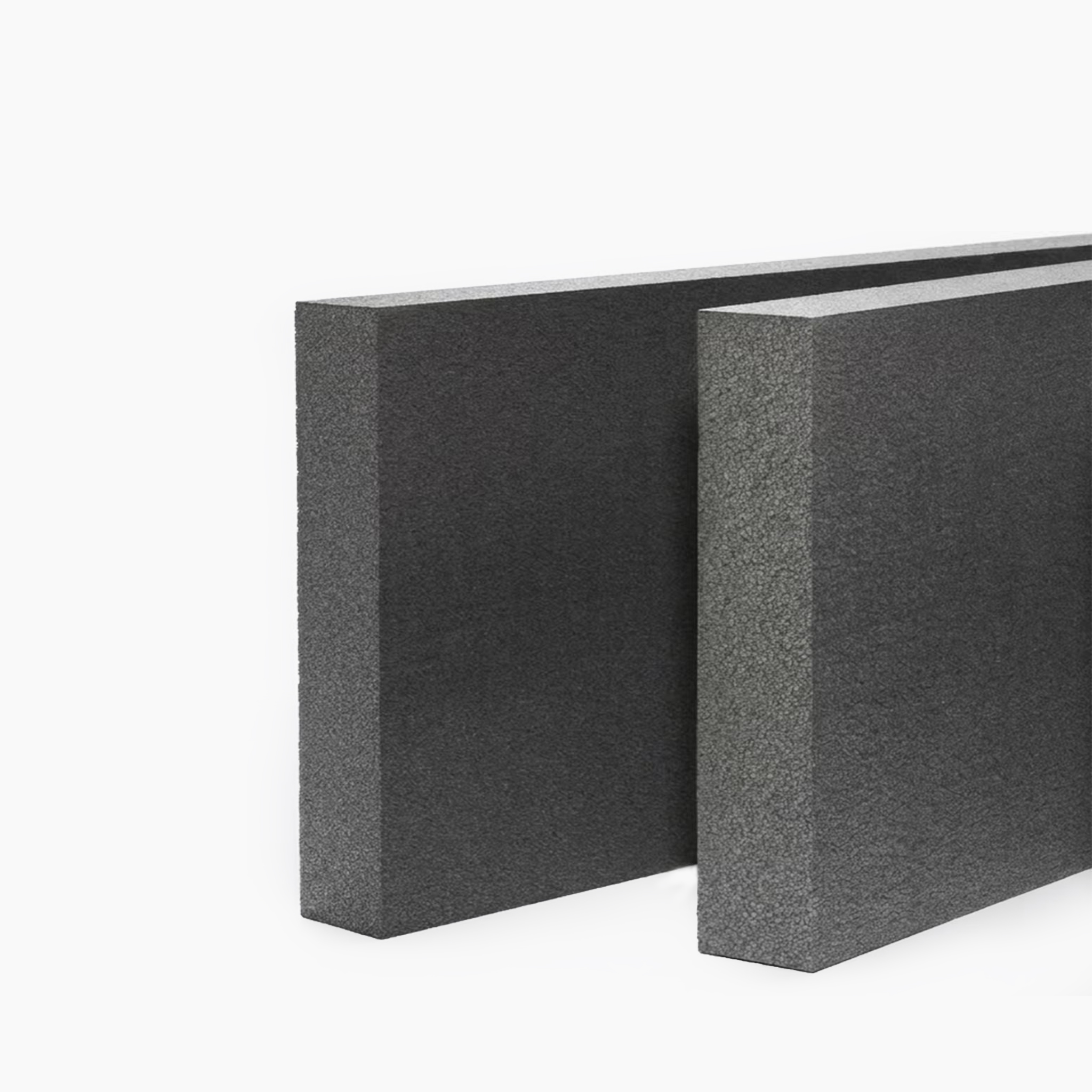
Extruded Polystyrene (XPS) is widely utilized in building envelopes due to its high compressive strength and low initial thermal conductivity. However, the “aging” effect—caused by the exchange between blowing agents and atmospheric gases—poses a challenge to its long-term energy efficiency.
The Science of Fine-cell Morphology
The thermal conductivity (λ) of XPS is a summation of radiation, solid conduction, and gas conduction. Fine-cell technology reduces the radiative heat transfer and, more importantly, increases the tortuosity of the gas diffusion path.
Tortuosity Factor: Smaller cells create a more complex “maze” for blowing agents like CO₂ or HFOs to escape, significantly slowing down the aging curve.
Methodology & LTTR Prediction
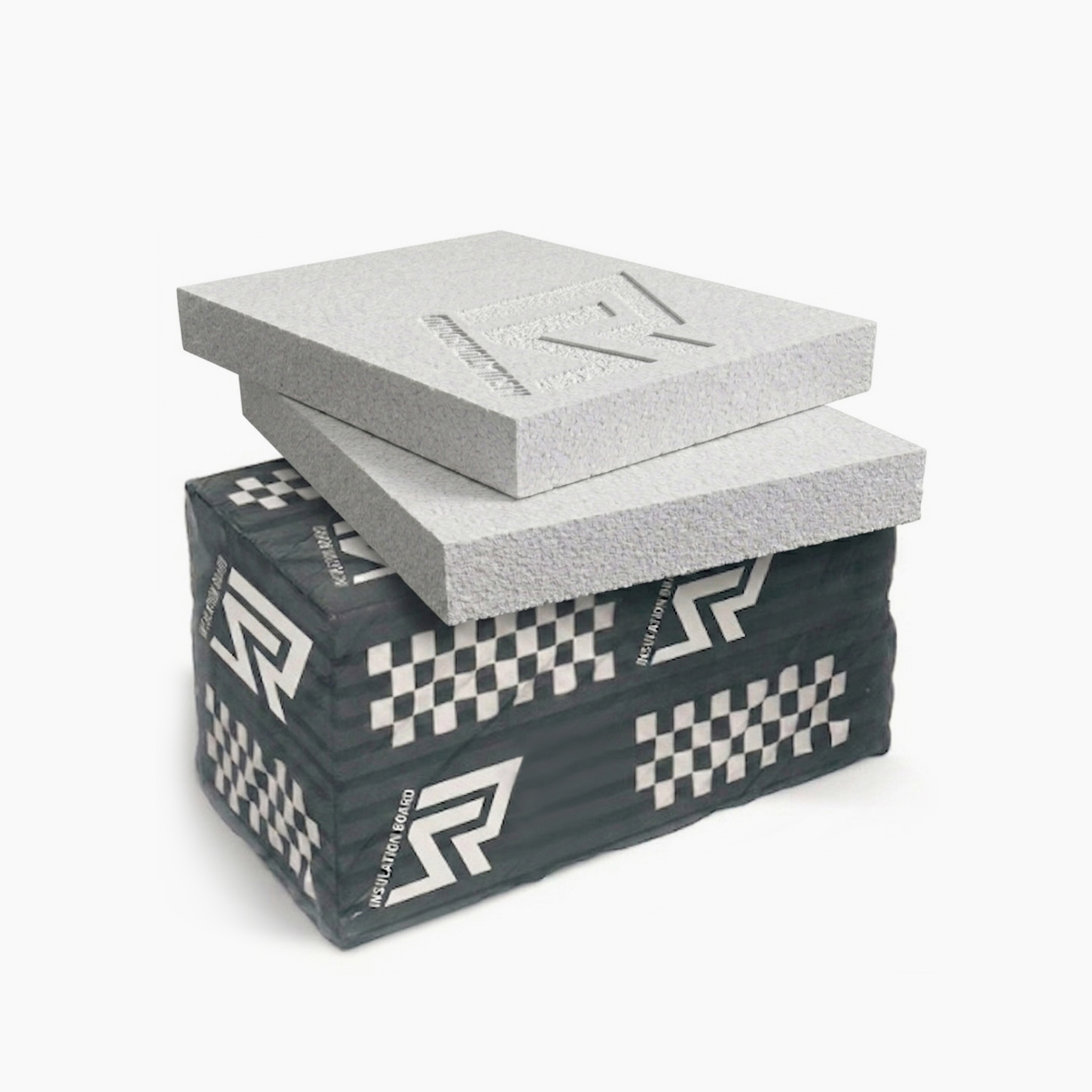
Using the slicing and scaling method (ASTM C1303), the LTTR of RS-grade fine-cell XPS was measured. The mathematical model for thermal resistance $R$ over time $t$ is expressed as:
R(t) = Rmin + (R0 – Rmin) * e⁻ᵏᵗ
Results & Discussion
The experimental data reveals that fine-cell XPS (0.08 mm cell size) retains approximately 92% of its initial R-value after 25 years, whereas coarse-cell XPS (0.3 mm) drops to 78%. This discrepancy is attributed to the enhanced barrier effect of the dense cell wall matrix.
Conclusion
Achieving a fine-cell structure is the key to producing high-performance insulation. For the RS brand, this research validates that precision extrusion control leads to a more sustainable and energy-efficient building material, providing lasting value for green architecture.