



I. Construction Method Statement: Aerogel Systems (Thin-Plaster & Integrated)
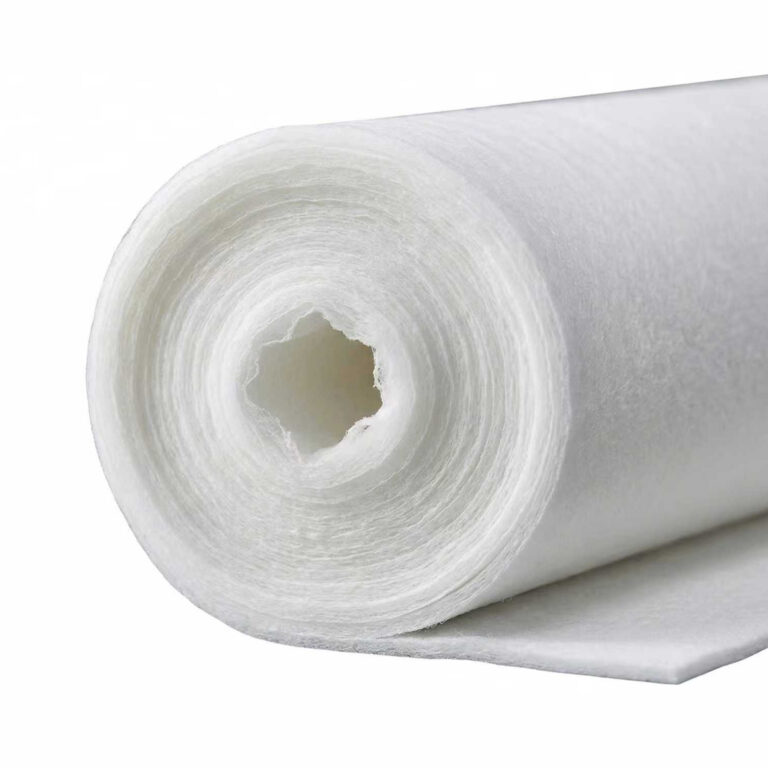
In exterior wall applications, Aerogel blankets are typically integrated as high-performance core materials within a system rather than being exposed.
Substrate Preparation
Flatness Control: The substrate deviation must be maintained within ±3 mm.
Action: Thoroughly remove floating dust and apply a specialized interfacial agent (primer) to enhance bonding strength.
Aerogel Blanket Bonding (Core Step)
Adhesive Selection: Must use polymer-modified bonding mortar. Due to the extreme hydrophobicity of aerogel, standard cement mortar has poor adhesion; a specialized interfacial coupling agent is required.
Application Method: Full-surface bonding is recommended. Apply mortar evenly to the back of the aerogel blanket and smooth it with a notched trowel to strictly prevent hollowing (voids).
Mechanical Anchoring (Dual-Insurance)
Anchor Density: For concrete or solid brick substrates, install no fewer than 8–10 anchors per square meter.
Detailing: Reinforce anchoring at external corners and around the edges of openings (windows/doors).
Anti-Cracking Protective Layer
Base Coat: Apply the first layer of anti-crack mortar directly onto the aerogel surface.
Reinforcing Mesh: Embed alkali-resistant fiberglass mesh into the first layer, followed by a second coat of mortar. This layer dictates the system’s impact resistance.
II.Application Scope of Aerogel in Architecture
Due to its premium nature, Aerogel is strategically deployed in these four high-value scenarios:
Energy Retrofitting for Existing Buildings (Space-Constrained)
Pain Point: Old residential areas often have narrow building spacing; thick rock wool would block light or obstruct walkways.
Solution: A Aerogel blanket achieves equivalent thermal performance, earning its reputation as “Invisible Insulation.”
Localized “Thermal Bridge” Treatment
Target Areas: Window sills, jambs, parapet interiors, structural beams/columns, and air conditioner slabs.
Advantage: These tight spaces cannot accommodate traditional thick materials, yet leaving them untreated causes mold and energy leaks. Aerogel’s thinness and flexibility make it the only efficient choice for thermal bridge mitigation.
Ultra-Low Energy Buildings (Passive Houses)
Goal: Achieving extreme U-values (Thermal Transmittance).
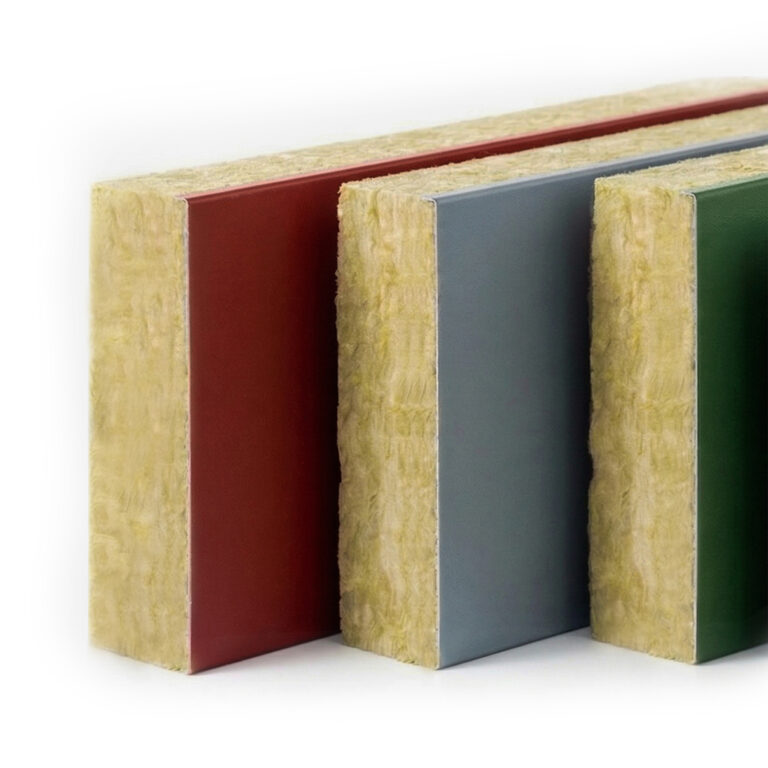
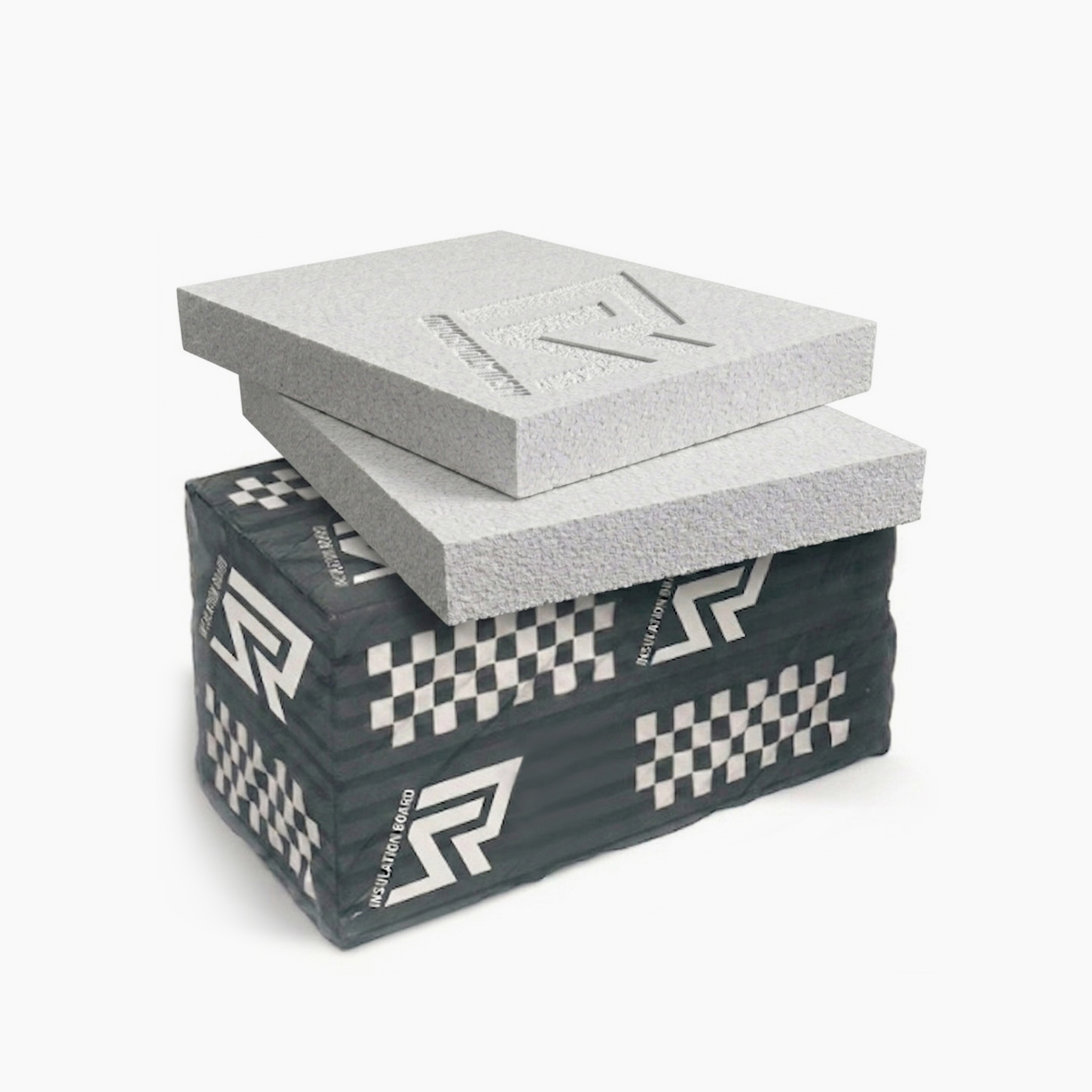
Combination: Often used as a high-performance supplementary layer in composite with Graphite EPS (GPS), Rock Wool, or Vacuum Insulation Panels (VIP).
Fire Barrier Zones
Standard: Aerogel blankets are typically Class A1 Non-combustible.
Application: Used as fire barriers in walls predominantly using Class B1 materials, ensuring fire safety without compromising the overall thermal integrity.
III. Three Critical “Don’ts” in Aerogel Construction
- Prohibit “Shear Loading” without Mechanical Anchoring
Risk: Due to the extremely low density and unique surface chemistry of aerogel, relying solely on adhesives may lead to structural failure under wind suction or seismic stress.
Requirement: Always implement the “Bonding + Anchoring” dual-fixation protocol for all vertical facade applications.
- Avoid “Internal Void” Formation (Hollowing)
Risk: Aerogel blankets are highly efficient thermal barriers. Any air pockets (voids) behind the material can lead to interstitial condensation, potentially causing mold growth or reduced thermal performance.
Requirement: Ensure full-surface mortar coverage and use a notched trowel to eliminate air entrapment during installation.
- Prevent “Water Ingress” during Open-Exposure Phases
Risk: While the aerogel core is inherently hydrophobic, the composite structure (fibers or fleece) can trap water if exposed to heavy rain before the anti-crack protective layer is applied.
Requirement: Schedule installation during clear weather and apply the base coat and reinforcing mesh immediately after the blankets are secured.